Chanel Through Blazy’s Eyes

Coco Chanel designed clothes she wanted to wear. Her background, who she was, her way of moving through the world still lives within the maison today. At a time when women’s fashion often prioritised ornamentation and structure over ease, Chanel rejected the idea of the female body as something to be decorated. She designed to wear. Not to be adorned.
Did she know this would become one of the most respected fashion houses in the world? It is difficult to say. What’s clear is that Chanel was never built as a system. It came from instinct. From refusal. From a need that did not ask for permission.
More than a century later, Matthieu Blazy approaches Chanel from a similar place. Freedom. But what does freedom mean in a time when fashion is already progressive? When the kind of liberation Coco Chanel once introduced is no longer radical, but expected?
The answer is not in repeating it. That freedom already exists within clothing. Blazy shifts it elsewhere. Into movement. Into space. Not through repetition, but through alignment. He does not reproduce its codes. Chanel, was always Chanel and will remain Chanel: He works from its essence. Giving the maison a fresh breath of air through changes in location. He takes the Chanel woman by the hand and shows her around. Because the Chanel woman already moves throughout the world and the city.
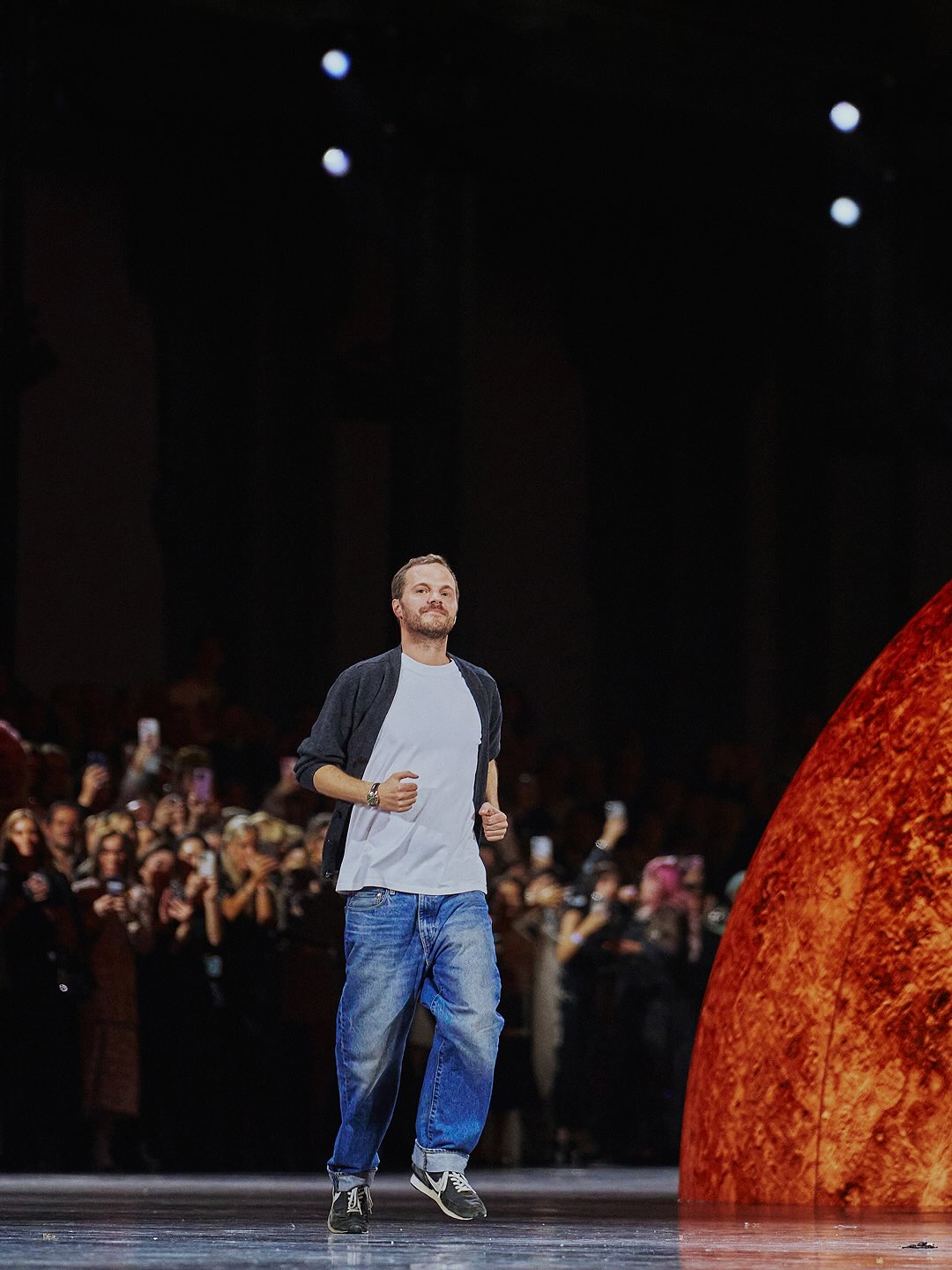
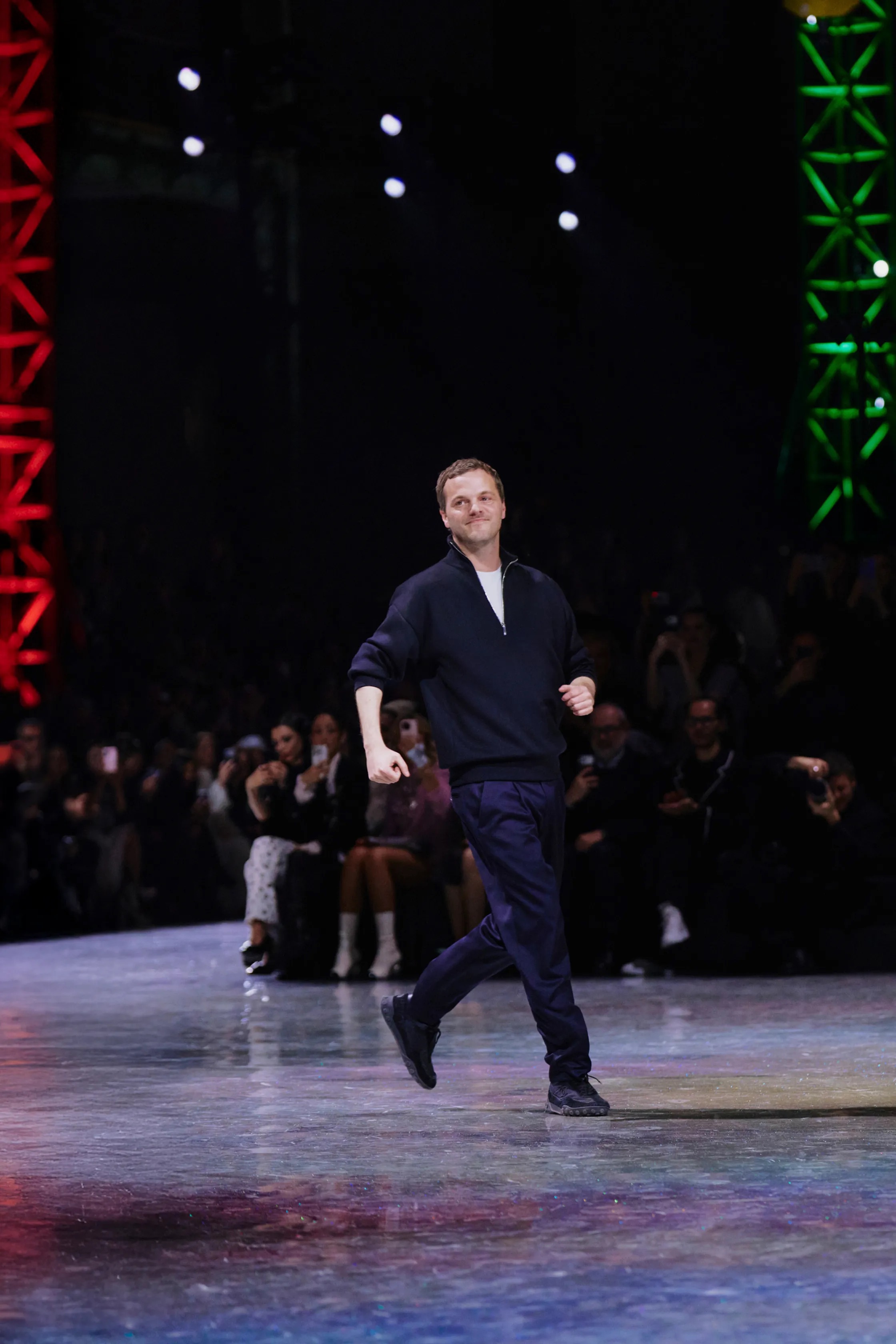
For Mademoiselle Chanel, freedom was constructed through clothing. Businesswear. Simplicity. A removal of excess. A shift away from dressing for the gaze. For Blazy, freedom is no longer confined to the garment. It extends outward. It becomes about movement through space. About where the woman can exist.
The origin is the same. The expression is not.
In his first Couture collection, this position appeared through a recurring metaphor. Birds. As noted in the show, “the women at the center of the collection begin to transform into birds.” Raven black silhouettes moved into layered constructions that suggested plumage through embroidery, pleating and weaving. The feather was almost never literal. It did not need to be.
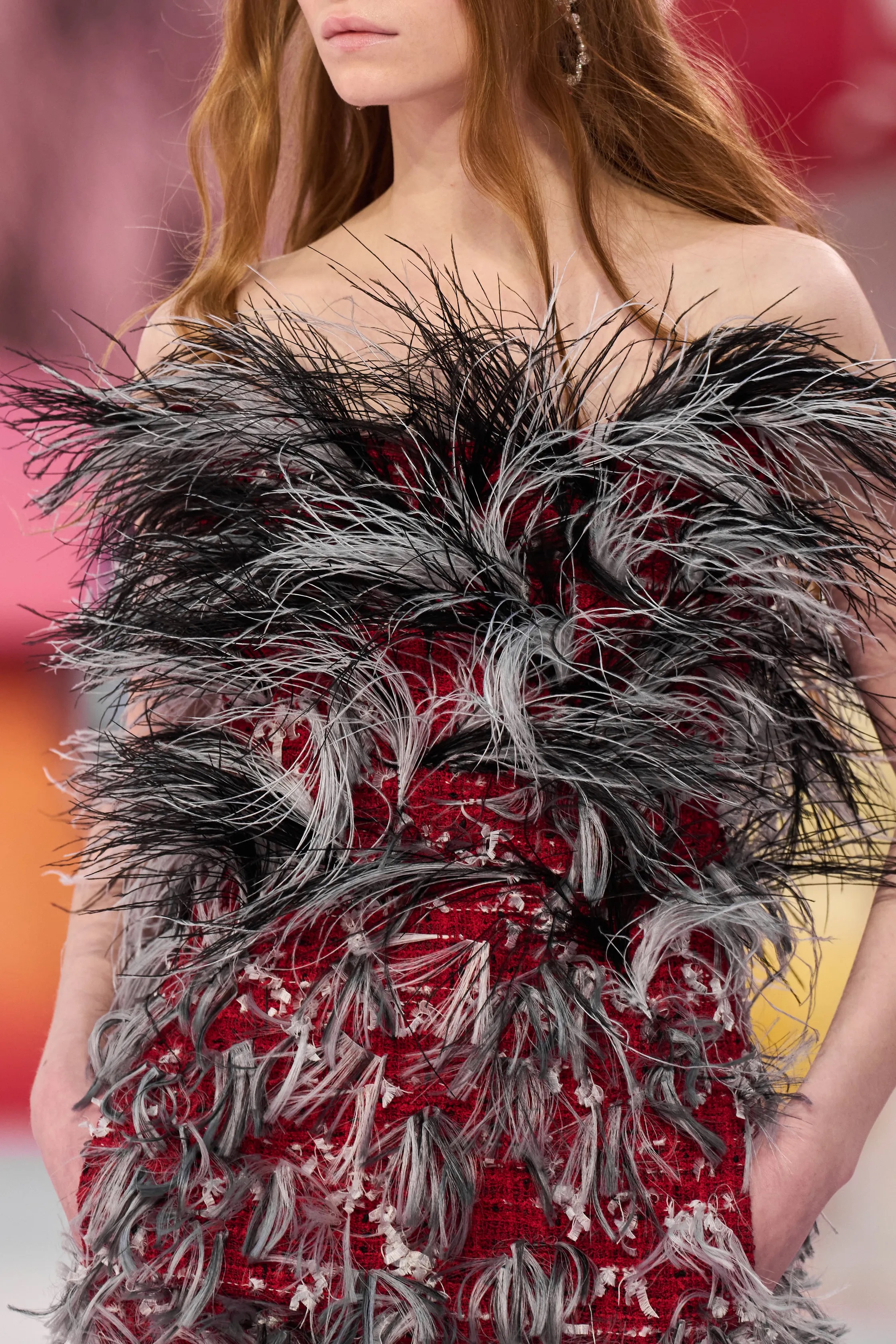
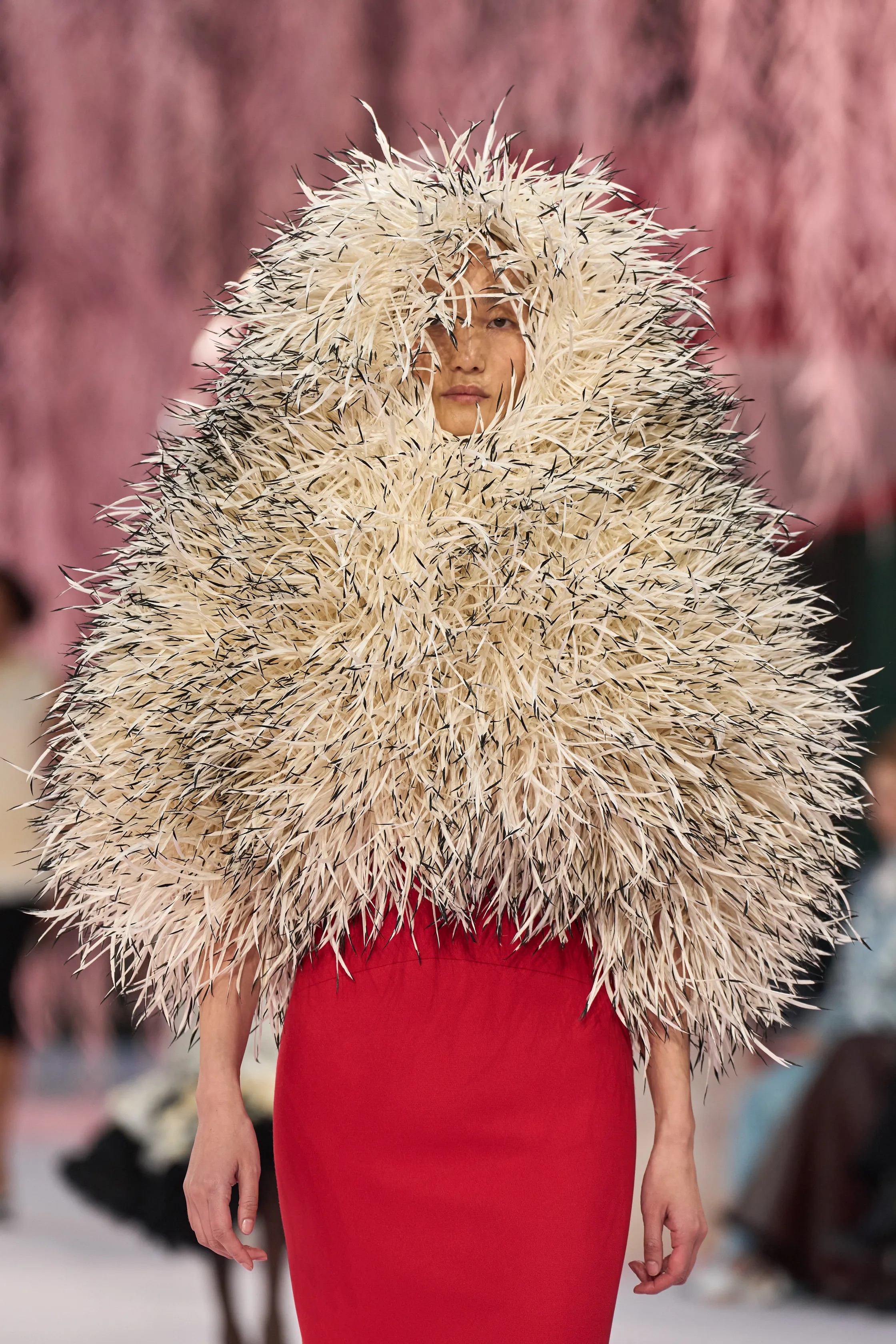
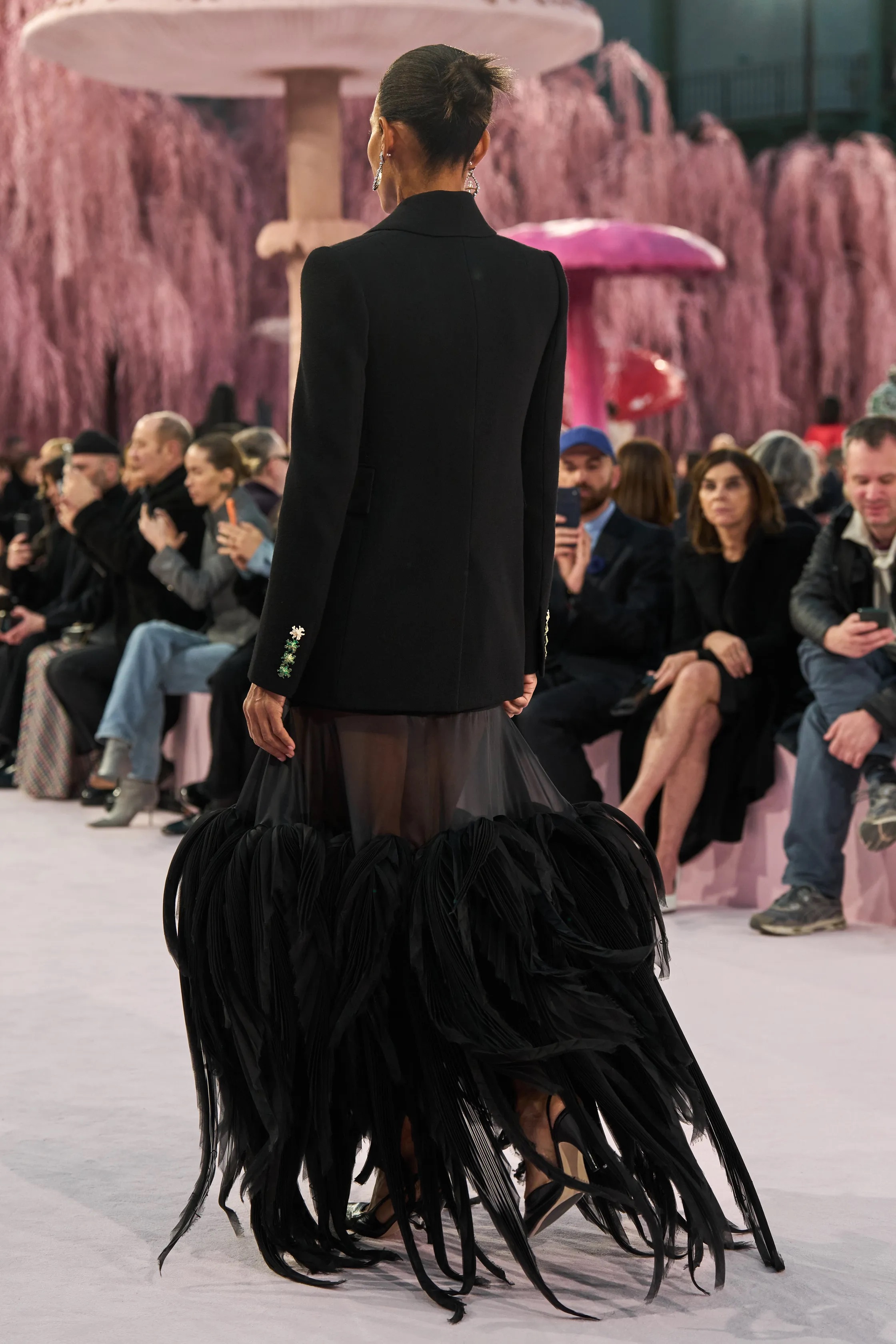
“I was interested in birds, because they are free, because they travel, because they come from every place.”
– Matthieu Blazy
The reference was clear. The execution was controlled. This was not decoration. It was repositioning. The Chanel woman is no longer fixed. She is not contained. She moves.
Chanel and Couture have always been inseparable. Blazy does not challenge that. He stretches it. There is a sharper edge to his approach. More experimental. More willing to test the limits of what Chanel can hold without breaking. Because Chanel is not defined only by tweed, camellias or silhouettes. Its authority also comes from something less visible. Something that survives translation. As Bruno Pavlovsky, president of fashion and Chanel SAS comments on the show, this marks “an interesting transitional year of growth.” New materials. New techniques. Not a disruption. But an extension.
The change is evident. There is distance from the expected codes. Most accept it. Some resist it. That is irrelevant. Fashion does not preserve itself through comfort. In the collections that followed, this position expanded. The Chanel woman was placed in environments she had not occupied before. Not as contradiction, but as continuation.
The Métiers d’Art show took over New York City’s Bowery Station. Unexpected only on the surface. Chanel’s work has long engaged with modern life and movement. A woman within the rhythm of the city. Working. Walking. Existing without negotiation. Matthieu Blazy simply took her there.
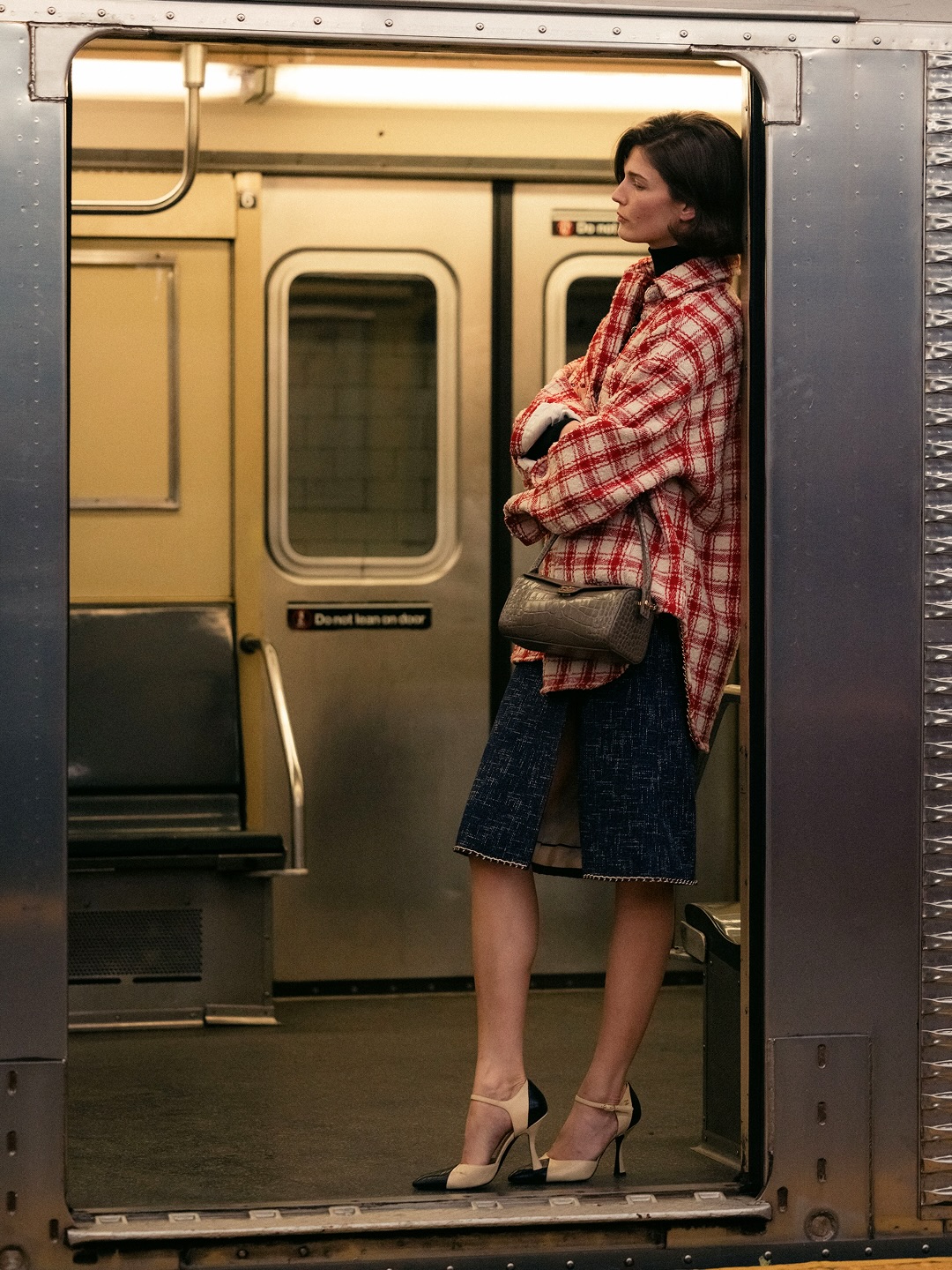
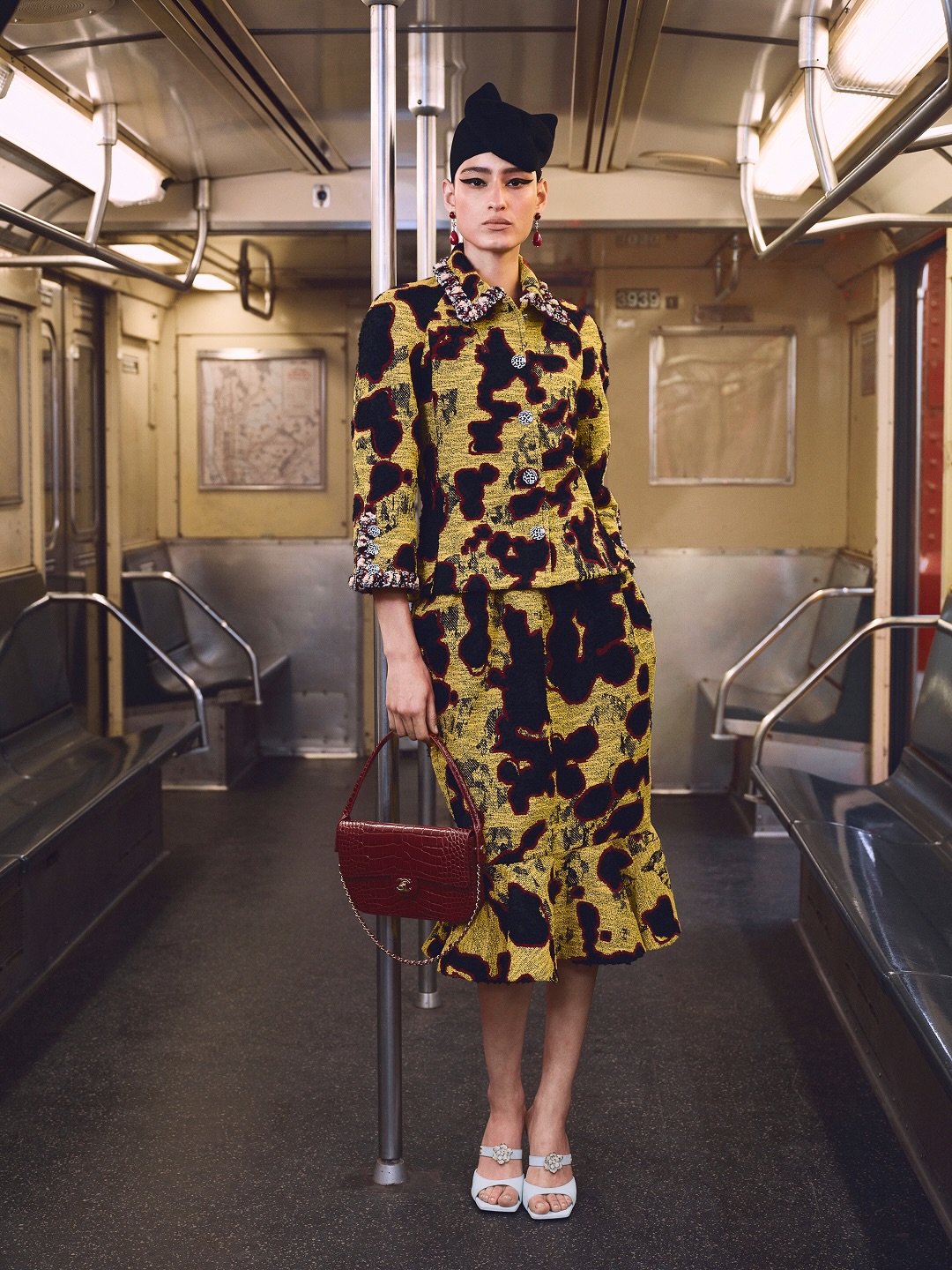
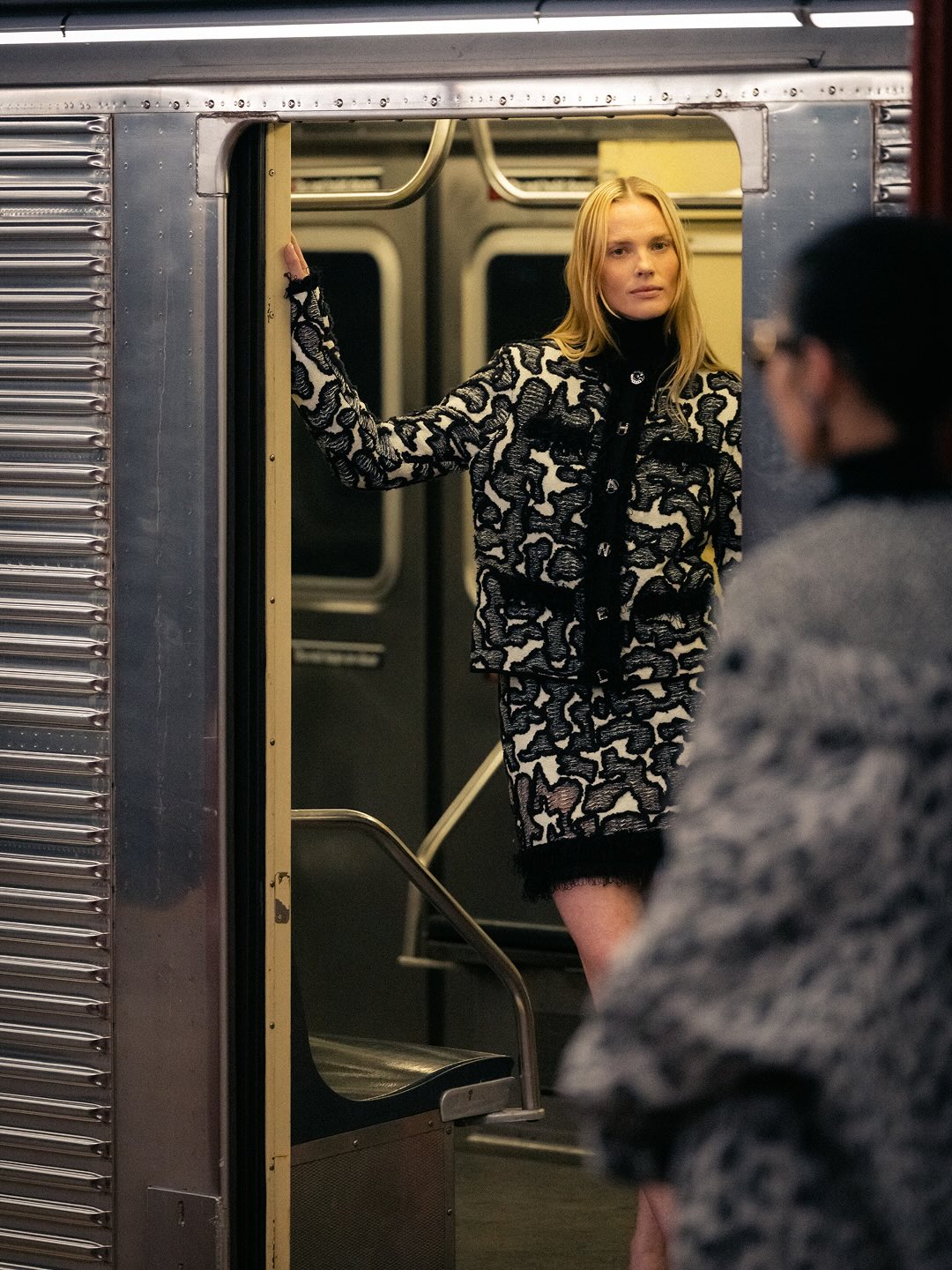
In Paris Fashion Week, the industrial set filled with coloured construction cranes introduced another tension. The setting shifted. The clothes did not. That contrast was intentional. The Chanel woman does not adapt to space. Space adapts to her.
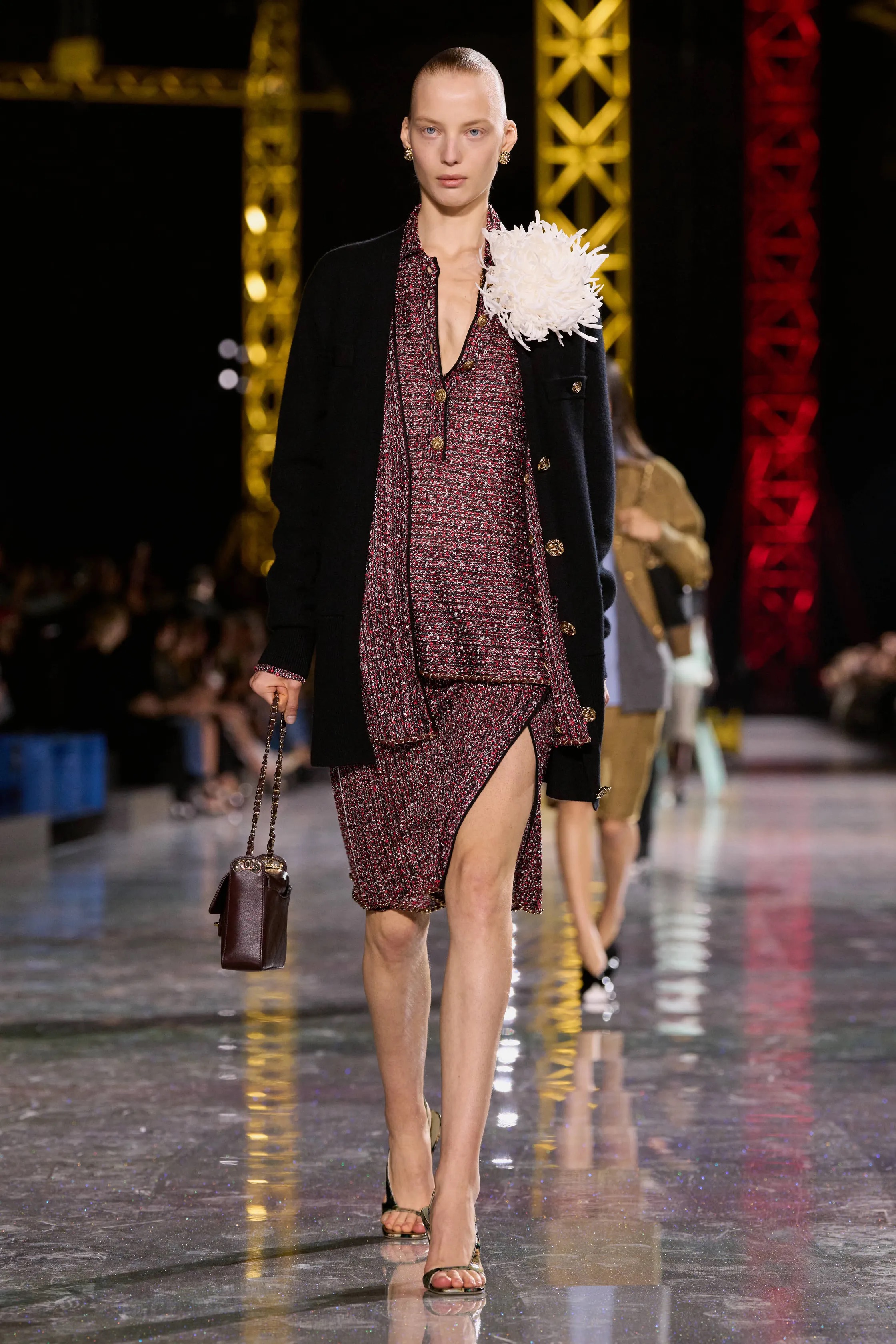
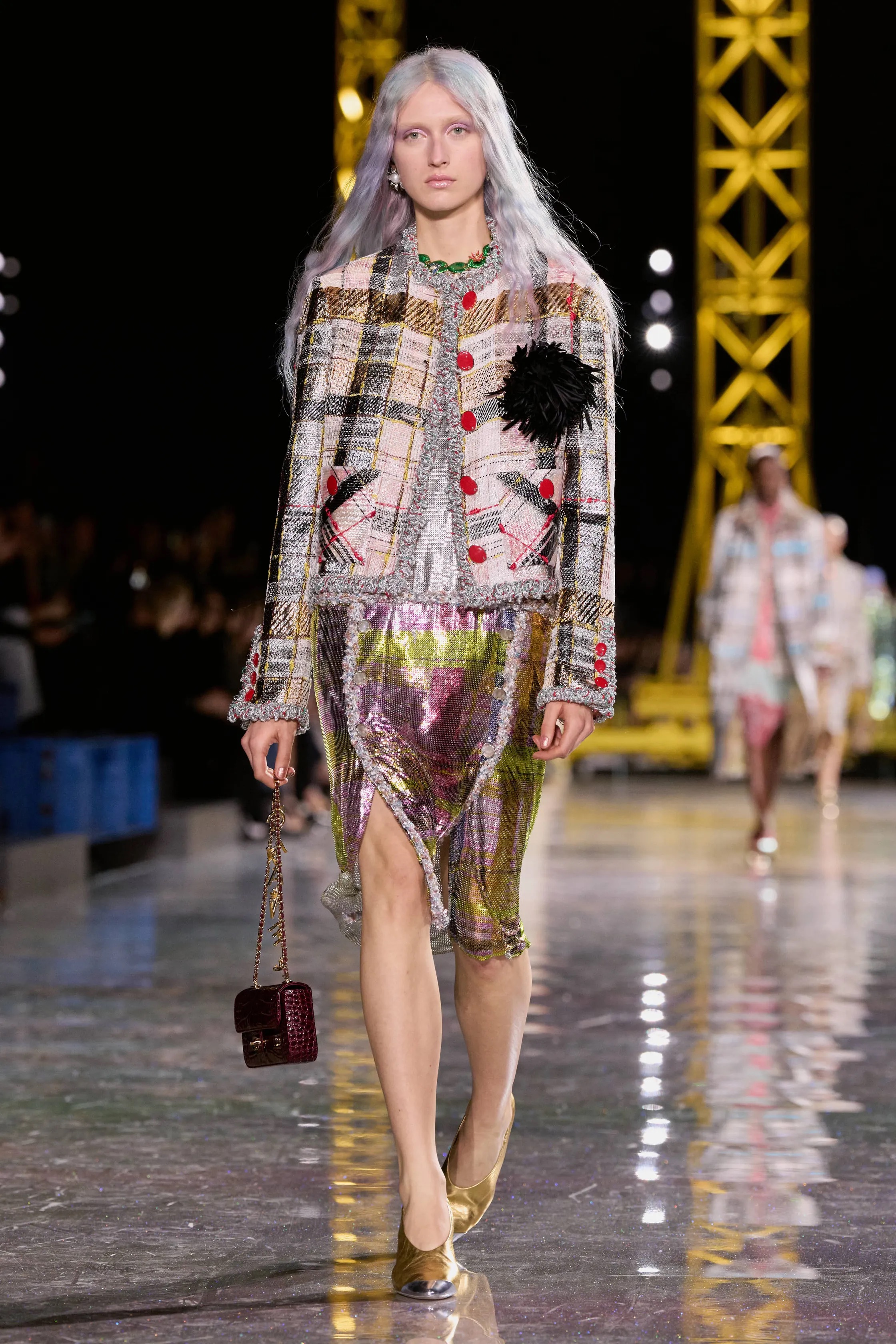
This is where Blazy becomes precise. He does not modernise Chanel. He reinterprets it within a contemporary context. Even the most established maisons are not static. They move. They shift. They persist. And still, remain exactly what they are.