Chanel Métiers d’Art 2026: American Archetypes, French Thoughts

For Matthieu Blazy’s stargazing debut Métiers d’Art show, the many houses acquired by Chanel over the years came together once more, now under his direction, demonstrating just how fertile such collaboration can be when handled with balance and expertise.
Métiers d’Art collections are not produced solely to showcase artisanal savoir-faire; they are where Chanel allows its codes to loosen slightly compared to its usual runways, a kind of playground afforded to the creative director. Blazy never misses an opportunity to foreground his acute sensitivity to texture and color clashes. The visionary, who once reshaped Bottega Veneta, delivers an offering rich in cultural and decorative references: once intrecciato, now tweed.


The show opens with the confident stride of rising model Bhavitha Mandava, as she descends into a carefully chosen setting that marks a full circle in her career: New York’s irreplaceable symbol, the Bowery subway station in Lower Manhattan, echoing her discovery in the city’s underground just a year ago.
As the final station alarms reverberate, the collection slips effortlessly into its surroundings, with models stepping off the train and into the rhythm of the space. The NYC subway becomes a convergence of social realities and attitudes, and this intricately constructed body of work distills those figures with restraint. What unfolds feels less like a curated cast, more like the everyday choreography of the platform itself.
From a Chanel take on the kitsch “I ♥ NY” souvenir shirt to the city’s enduring icons, Frank Sinatra, Diana Vreeland, and even Superman, it becomes clear that the show also reads as a condensed portrait of what, and who, shaped Blazy during his years living in New York. An offering that not only invites reflection on its construction, but also calls on the viewer to decode its layered references.
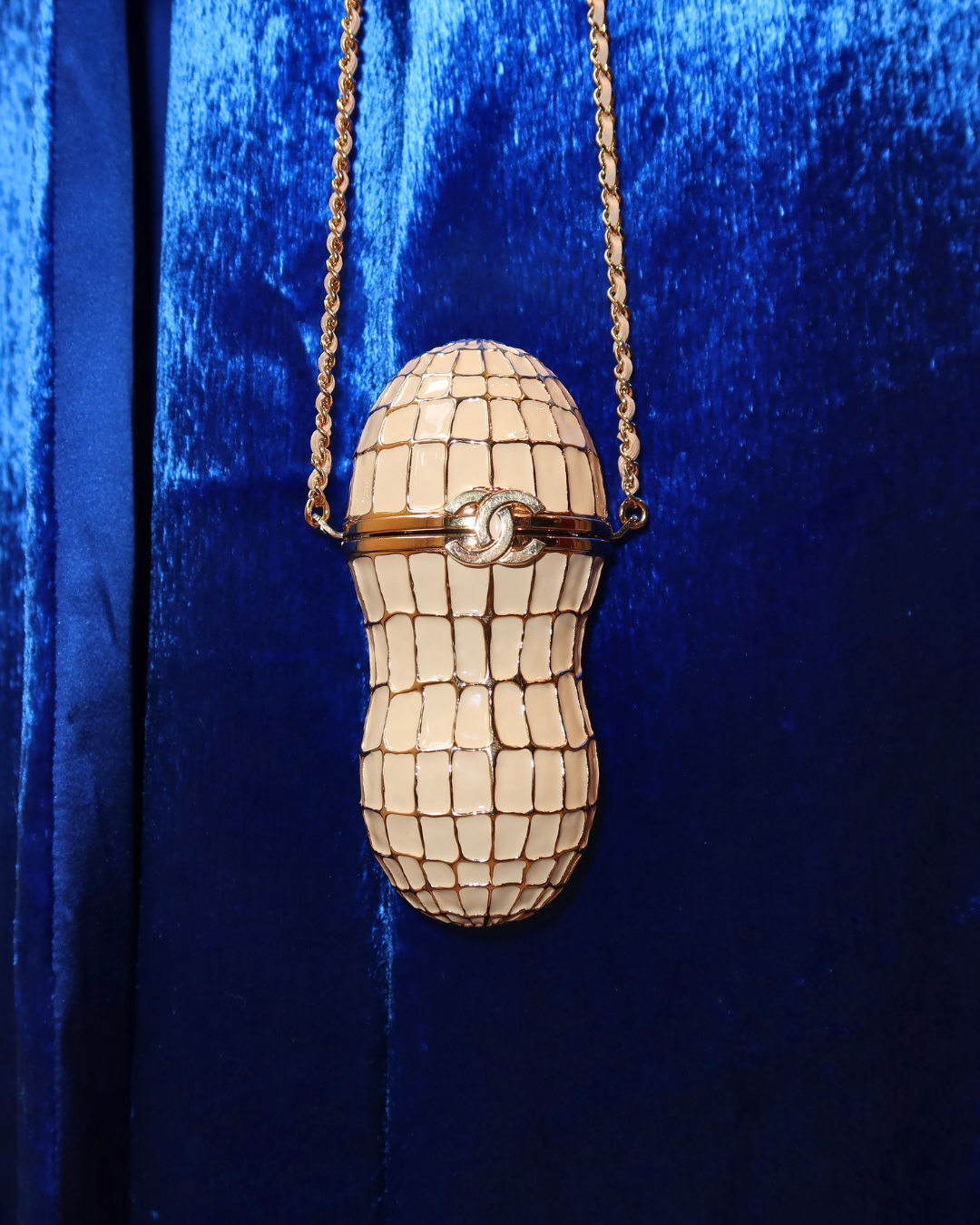
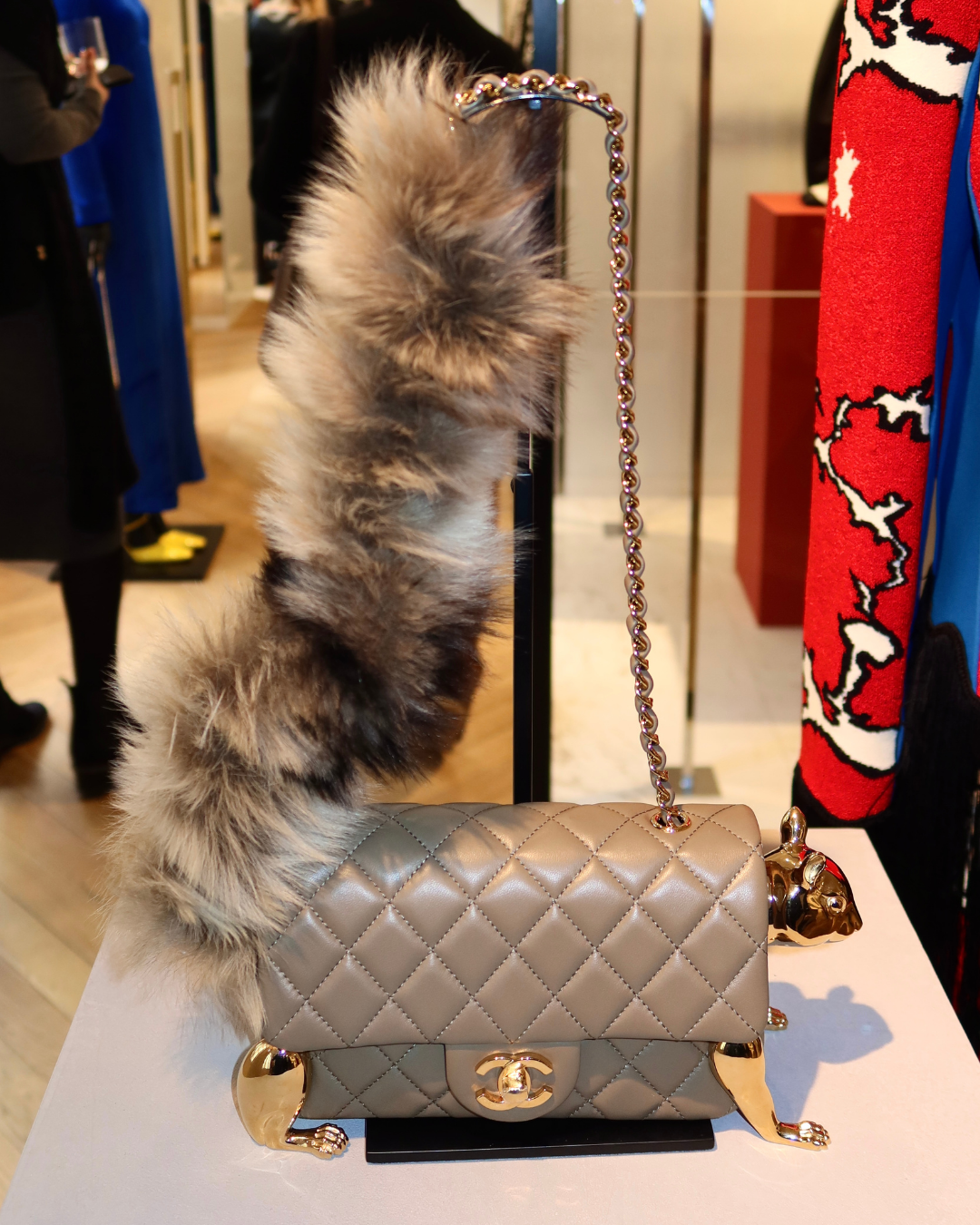
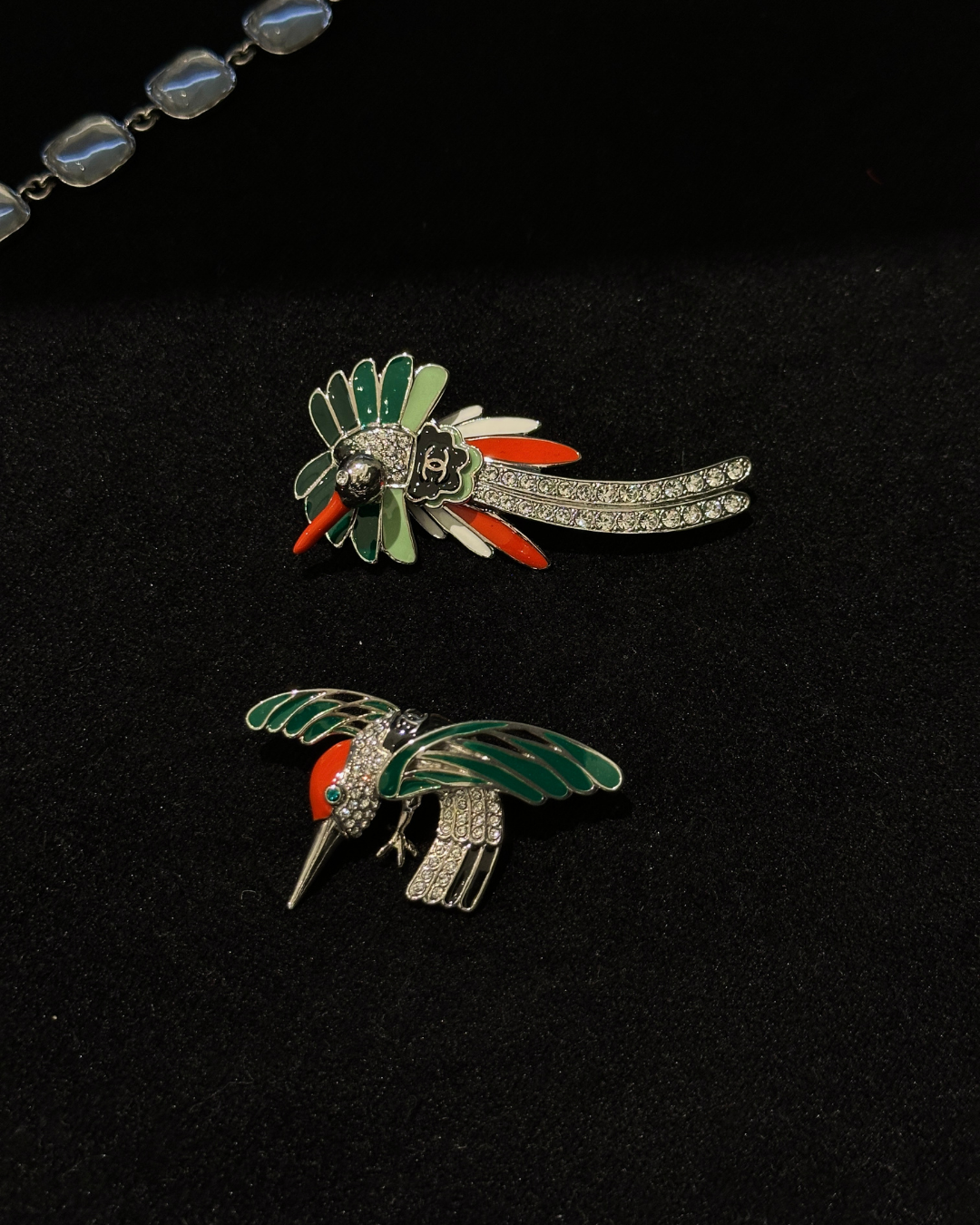
Blazy returns to one of his signatures by playfully reimagining Chanel’s classic bags, this time animated by fur tails and sculptural metallic details that take the form of squirrels, giraffes, apples, or even a nut, each shaping the bag itself rather than sitting on its surface. Feathered skirt motifs resurface in parallel, recalibrated for a more urban register. Jewelry by Goossens follows the same symbolic impulse, echoing these motifs rather than competing with them.
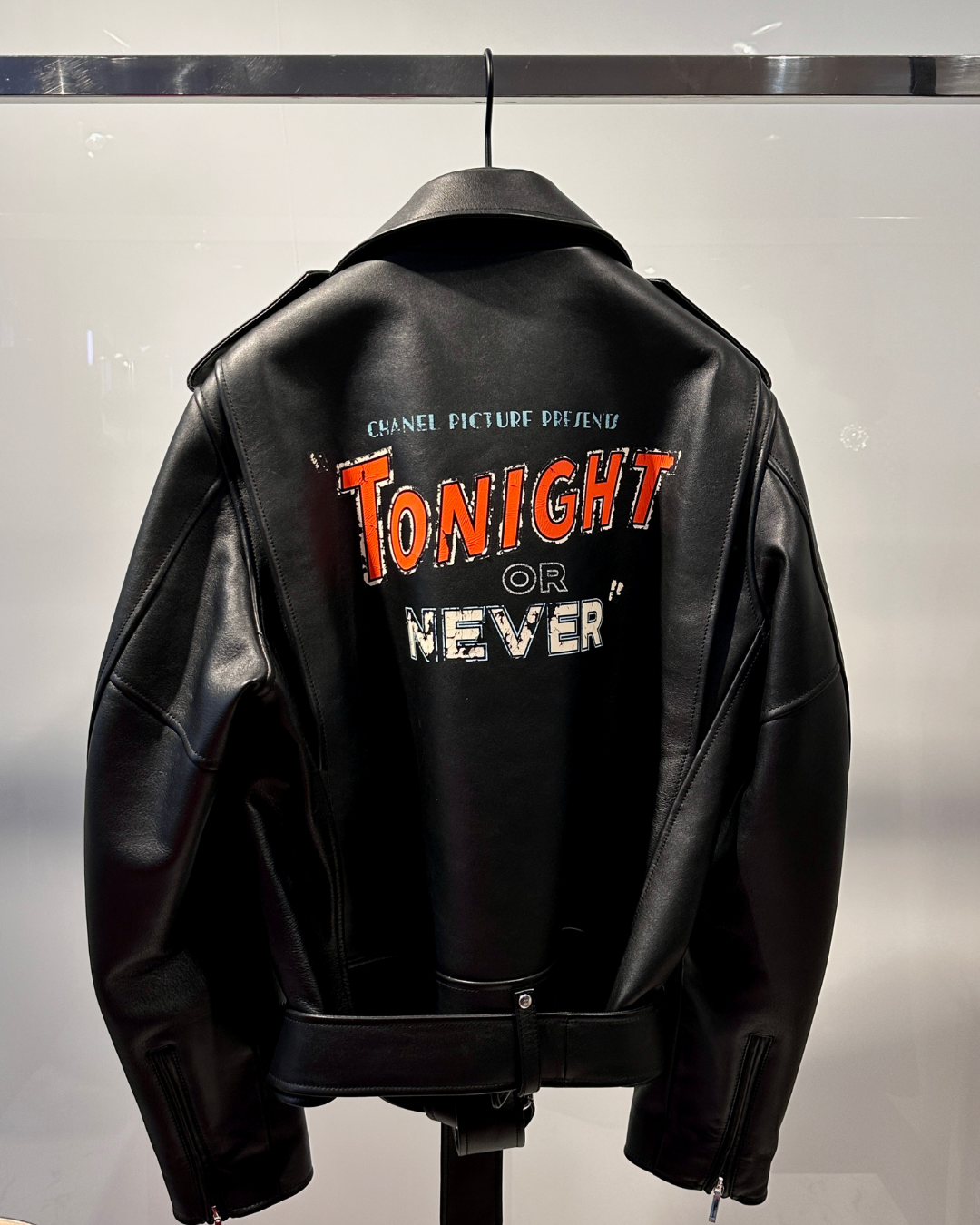
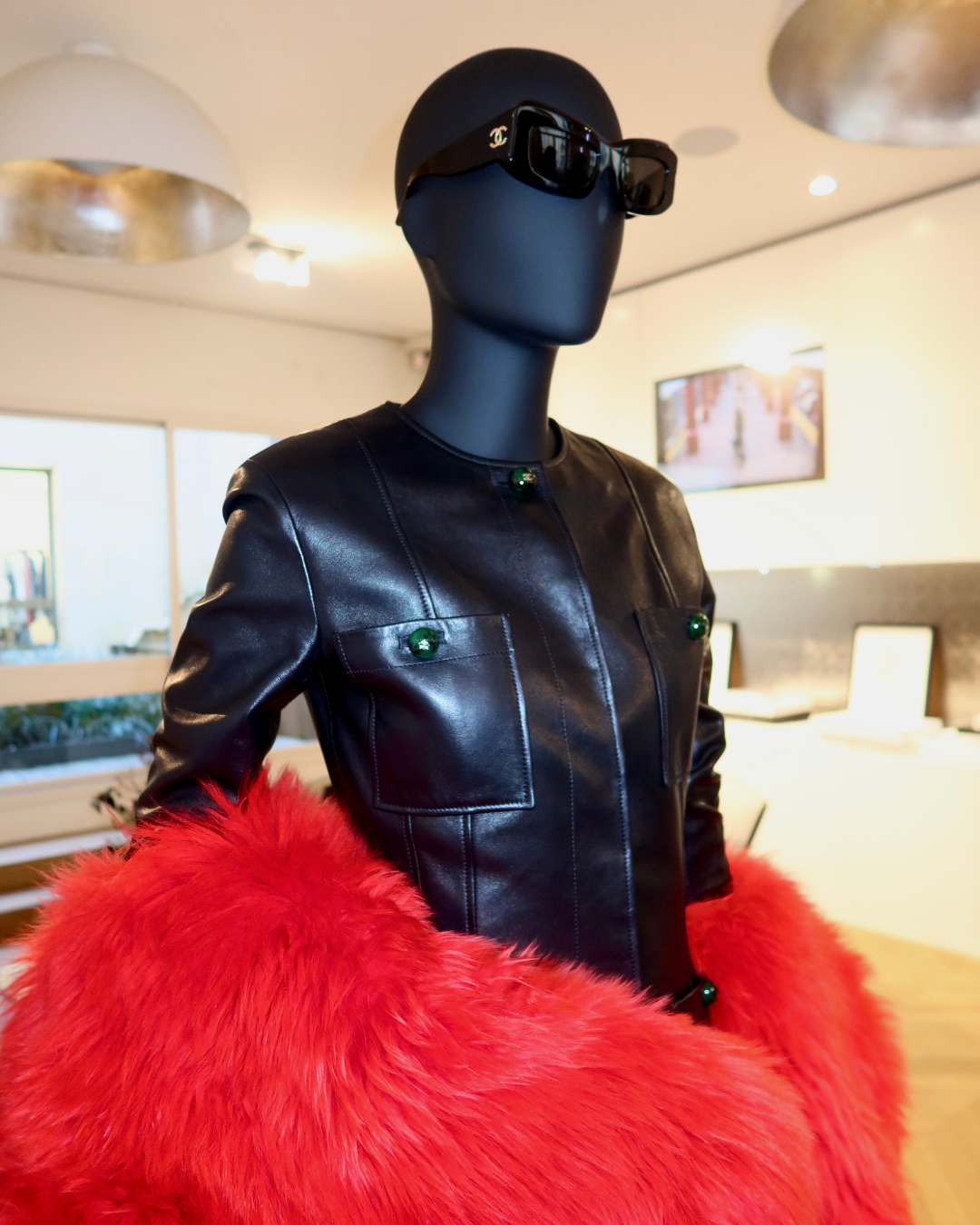
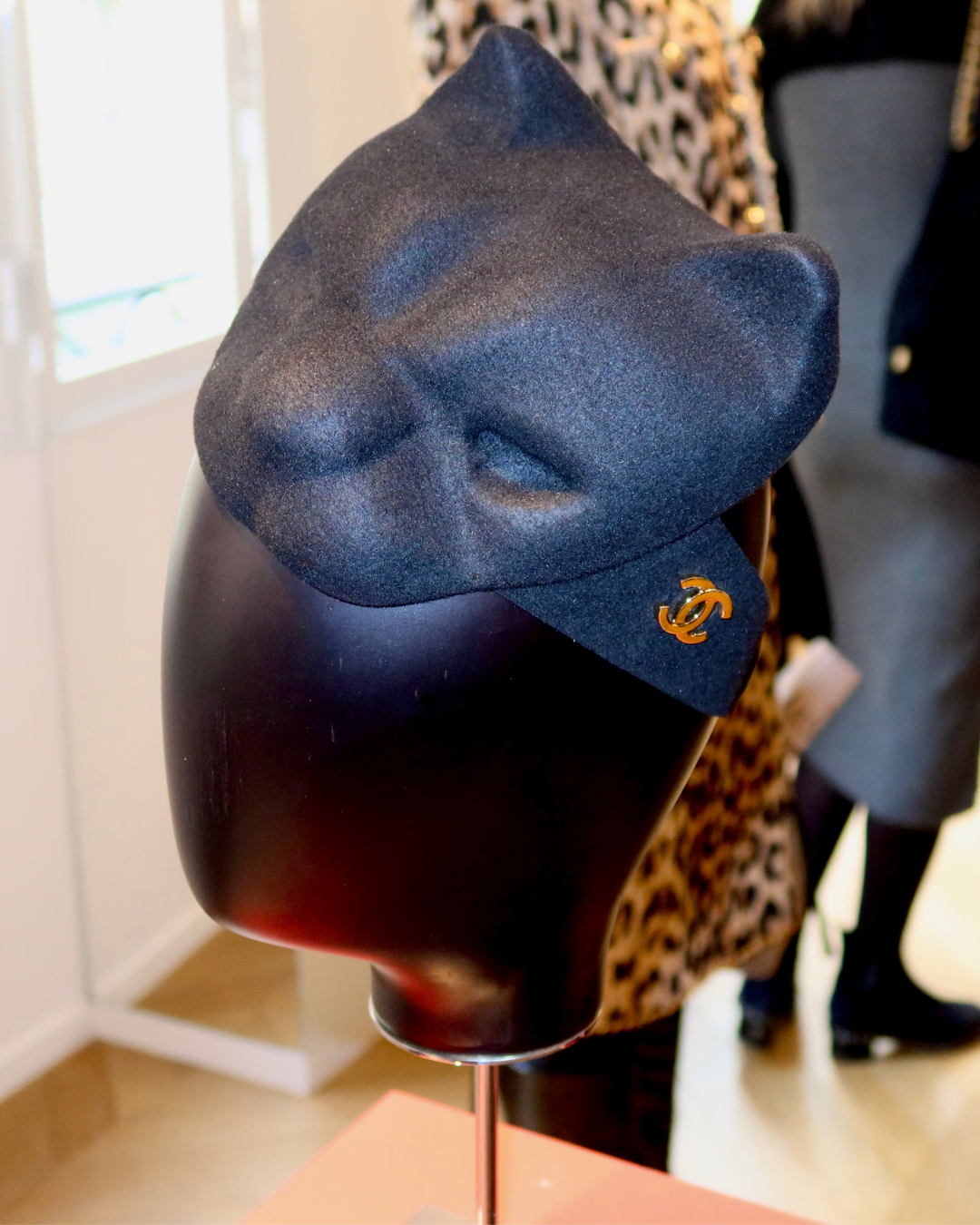
Winged pumps crafted by Massaro introduce a sense of lift, while tweed sets, worked with the savoir-faire of Lesage, are subtly reshaped. Small sculptural hats by Maison Michel recall a Catwoman-like mask, softened by more relaxed gestures such as leather jackets. Feathers by Lemarié and fine embroidery trace the city’s quieter signs, ladybugs and dog faces, while jacket buttons by Desrues quietly reaffirm the house’s enduring codes through craft rather than quotation.
Across the spectrum of daily dress, from the busy businesswoman to the night-out regular, from the symbolic costume-wearer to the casual dresser, familiar personas take shape. Figures we pass by every day on the street are redefined through Blazy’s instinctive and vibrant language, carrying a quiet thrill that extends beyond the final look. And that gives us, as fashion enthusiasts, the pleasure of waiting to see how Blazy’s language will continue to take shape at Chanel.
Words by Eren Çebi