Virgil Abloh’s Language of Codes Takes Over the Grand Palais

Virgil Abloh rewrote the language of fashion. He didn’t just design clothes; he rewired culture. He was able to express himself across almost every creative field imaginable. His fingerprints were everywhere: on furniture, sneakers, album covers, catwalks.
The Grand Palais brings this multidisciplinary approach under one roof, containing nearly twenty years of his work. More than 20,000 objects, sketches, prototypes, and fragments of his personal archive spill into one vast conversation.
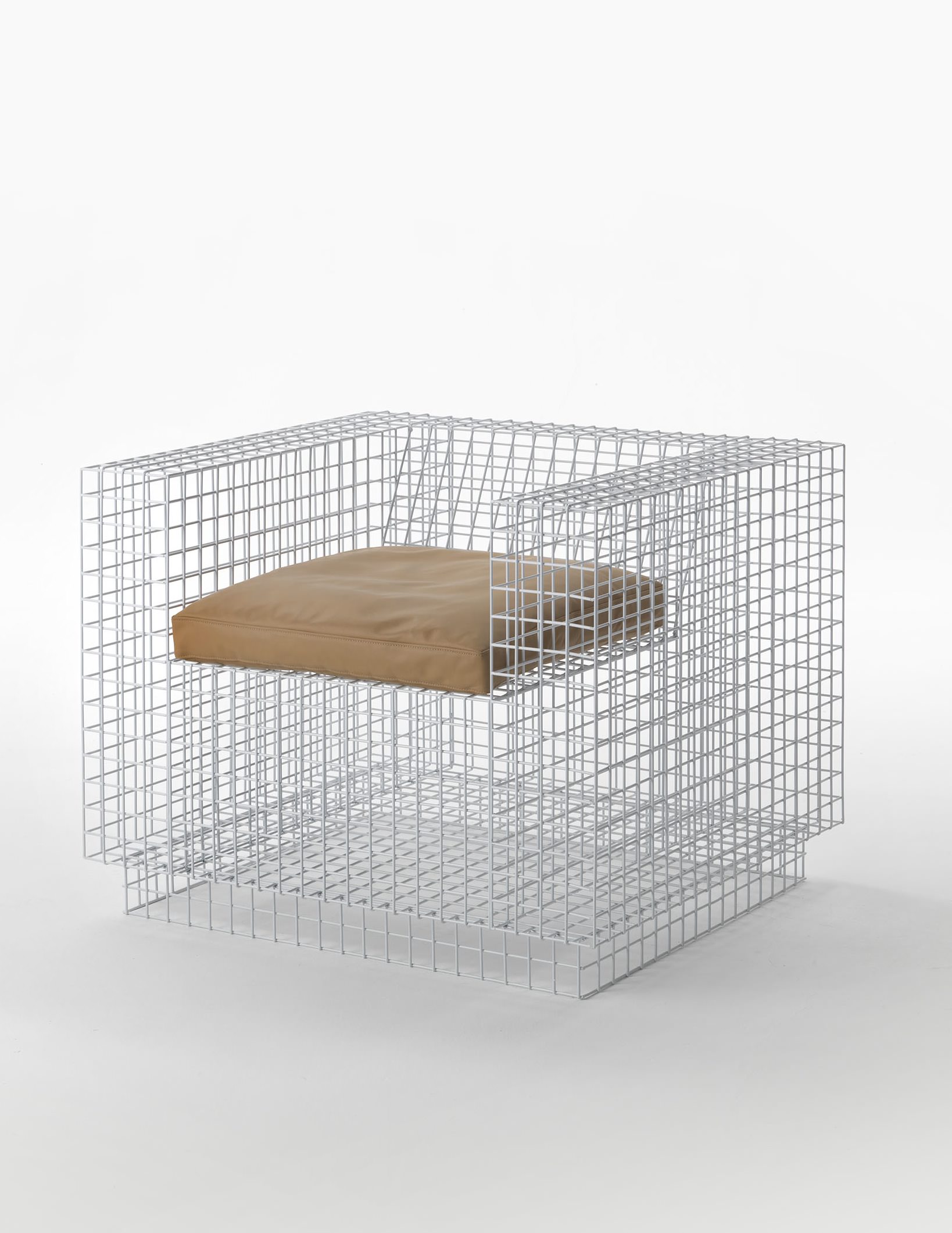
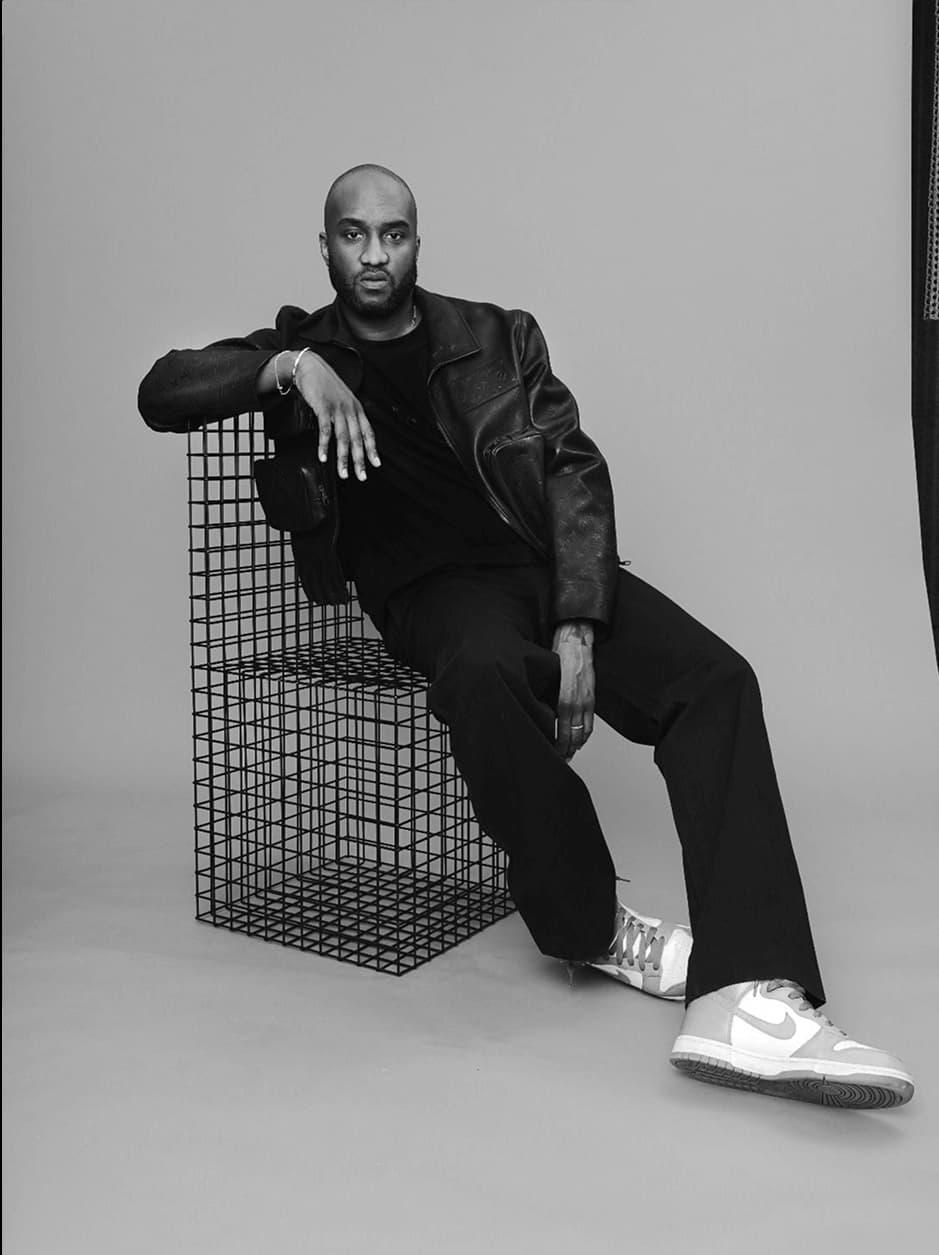
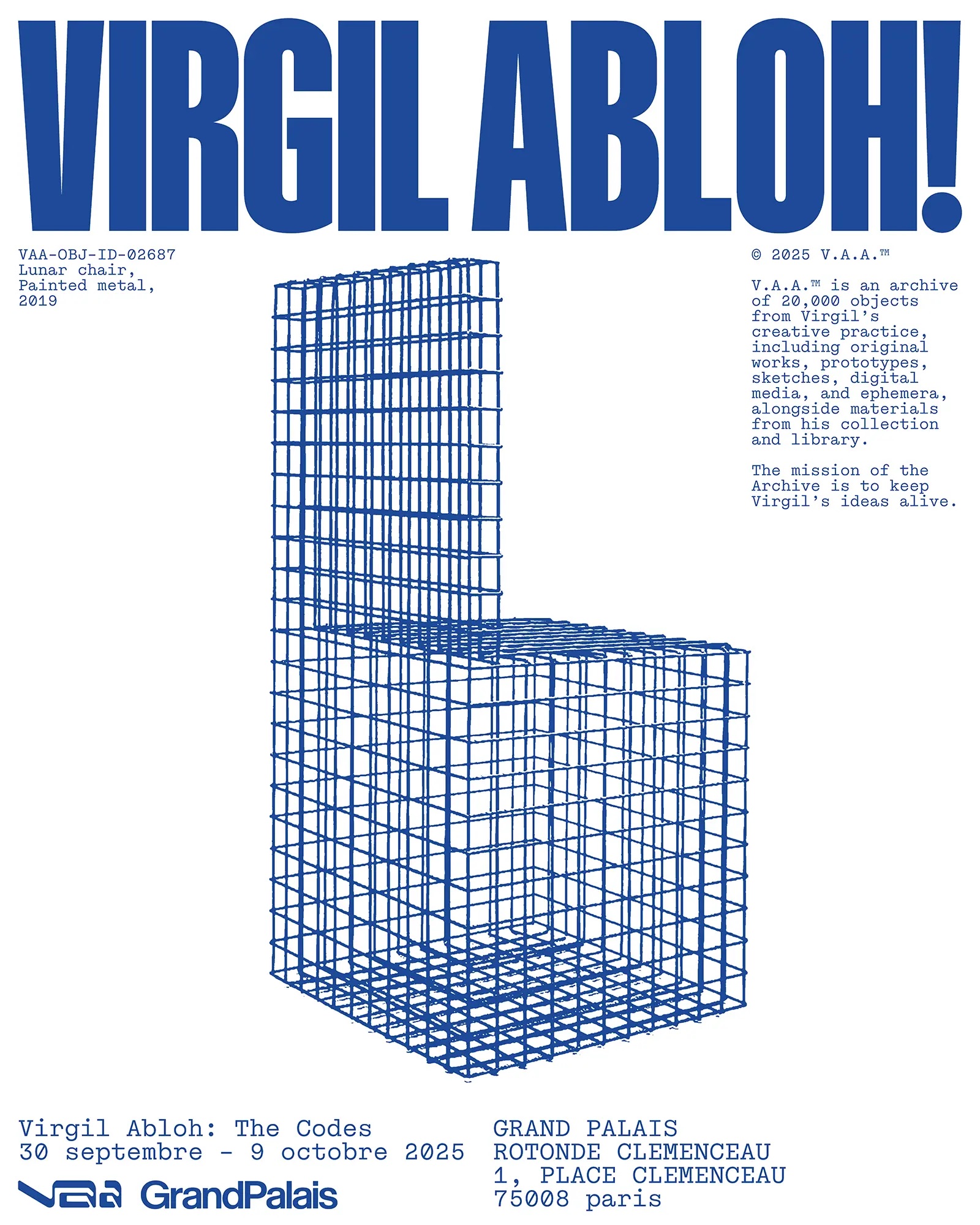
This exhibition is not just about looking back on his career. It treats his creations as a living system of codes, a language still in motion. What he made continues to speak. Both for himself and for the art world at large.
Curated by Chloé and Mahfuz Sultan, in partnership with Nike, the exhibition opens on September 30, which would have marked Abloh’s 45th birthday, and runs until October 9.
What makes this exhibition important is its ability to capture the intensity of his creations. It doesn’t isolate a single discipline but instead reveals his creative spirit as a whole. Like a system of “codes” that spilled into everything he touched: fashion, music, architecture, advertising, even the way we think about luxury.
Those codes are there to be read: the “3% rule,” his conviction that the smallest tweak could make an object entirely new; the quotation marks that turned products into commentary; the endless sampling and remixing borrowed straight from DJ culture; and the tourist vs. purist tension that electrified his Louis Vuitton shows.
There is irony, too: Handbags stamped “SCULPTURE” and the audacity of treating streetwear as luxury, long before anyone else dared. What ties it all together is a radical openness: a belief that fashion was not a gated world but a dialogue, that hoodies, furniture, album art, and architecture could all speak in the same language.
Beyond the archive, the exhibition celebrates his collaborations with artists, designers, and athletes, revealing how deeply he valued community and collective work over ego. For Abloh, creation was never solely solitary; it was always communal.
Workshops, performances, and screenings extend the experience, offering deeper insight into the exhibition’s themes while bringing together the voices of Abloh’s creative community.
This isn’t a memorial, and it isn’t nostalgia. The Codes is a reminder of how Abloh moved through the world—restless, playful, democratic—and how much of that world he left changed in his wake.