Prada FW26, a Story Told in Layers

Fifteen models.
Four walks each.
Sixty looks in total.
At Prada FW26 during Milan Fashion Week, repetition wasn’t repetition at all. It was construction.
If fashion is calculation, Prada solved it.
Each of the fifteen models returned to the runway four times. With every walk, a layer was removed. What initially appeared as one complete look slowly transformed into another. By the end, sixty looks had been revealed, not through excess, but through subtraction.
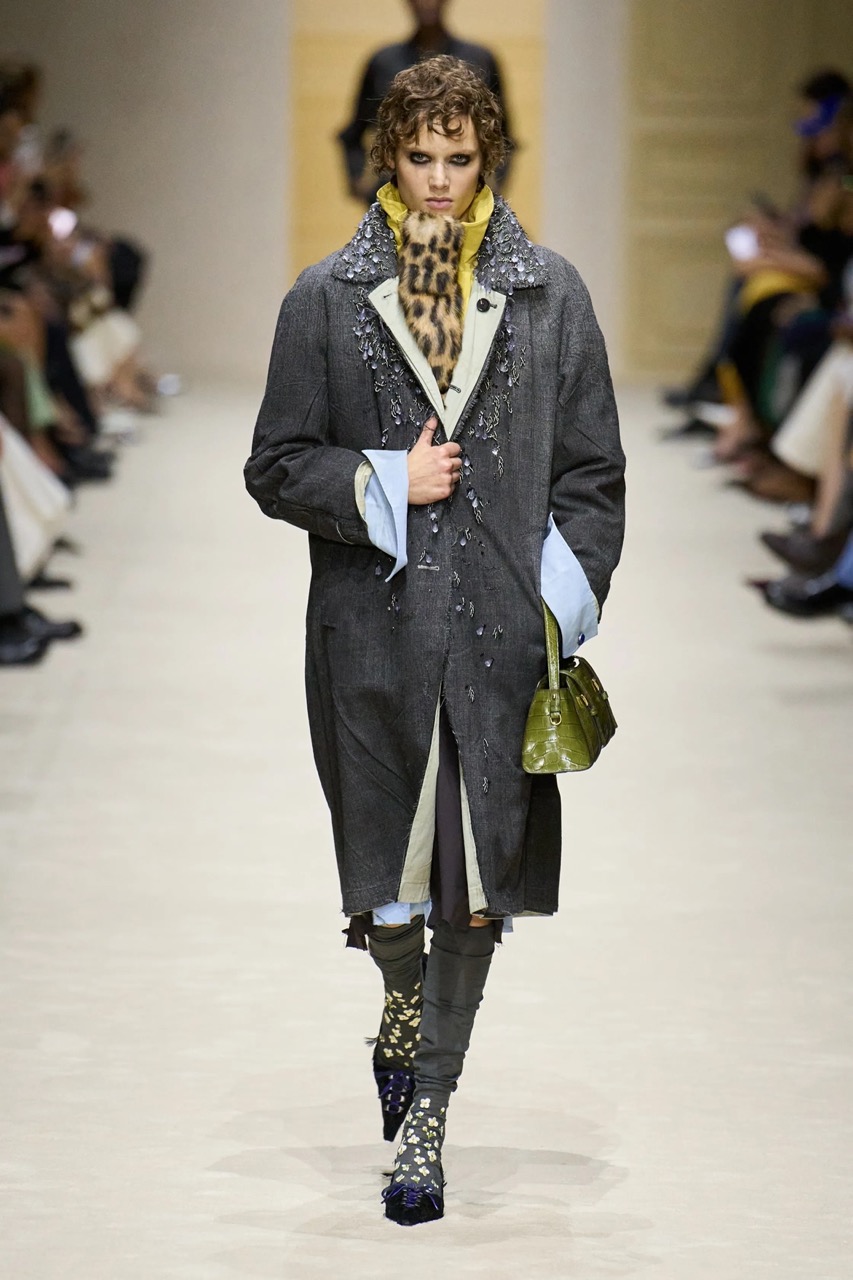
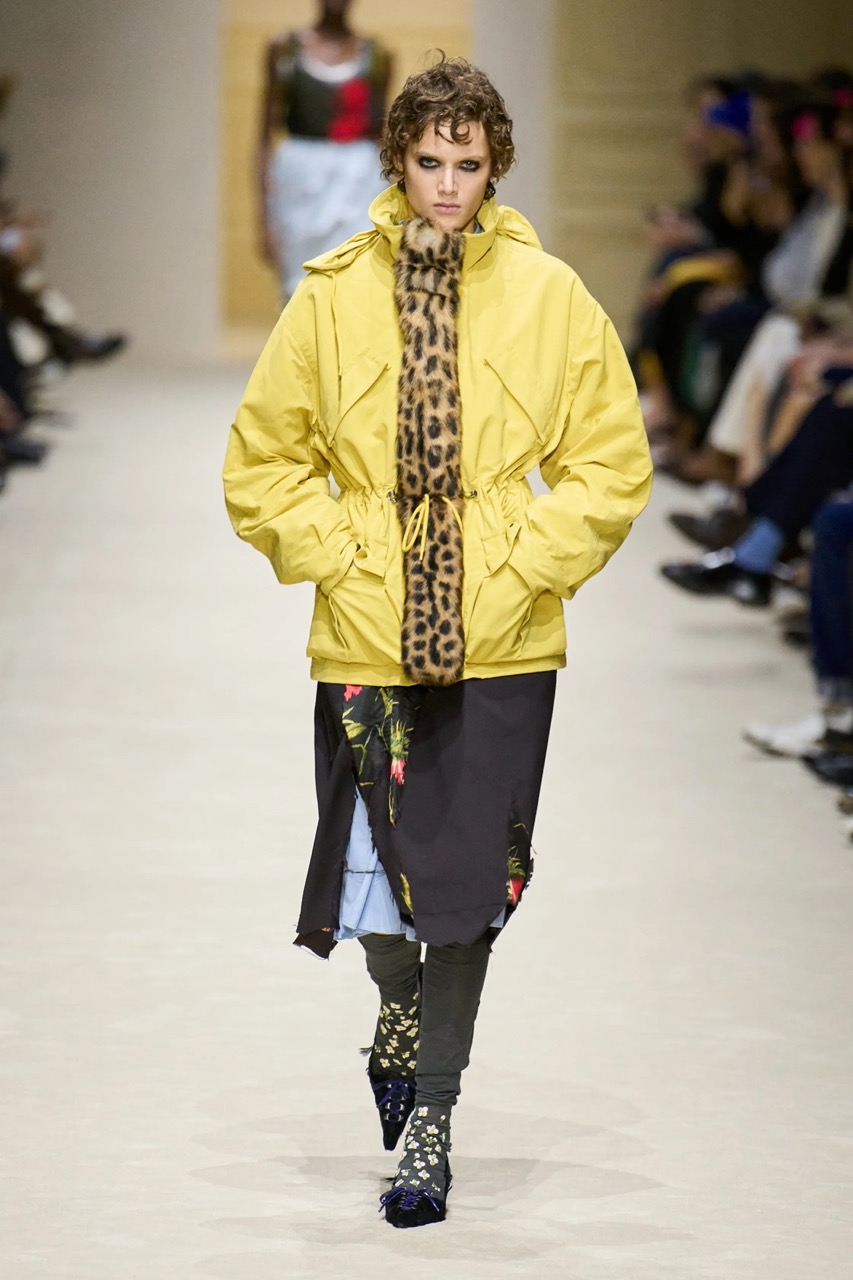
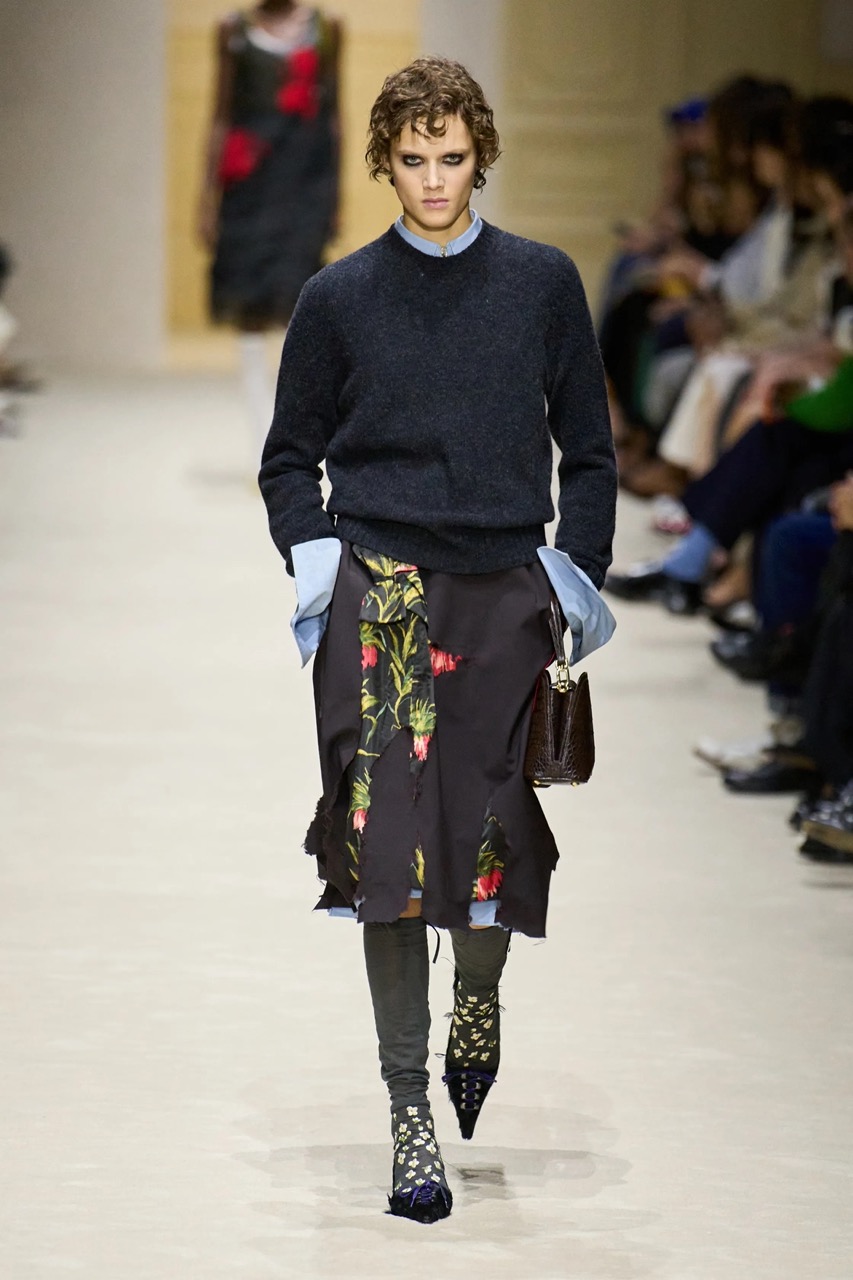
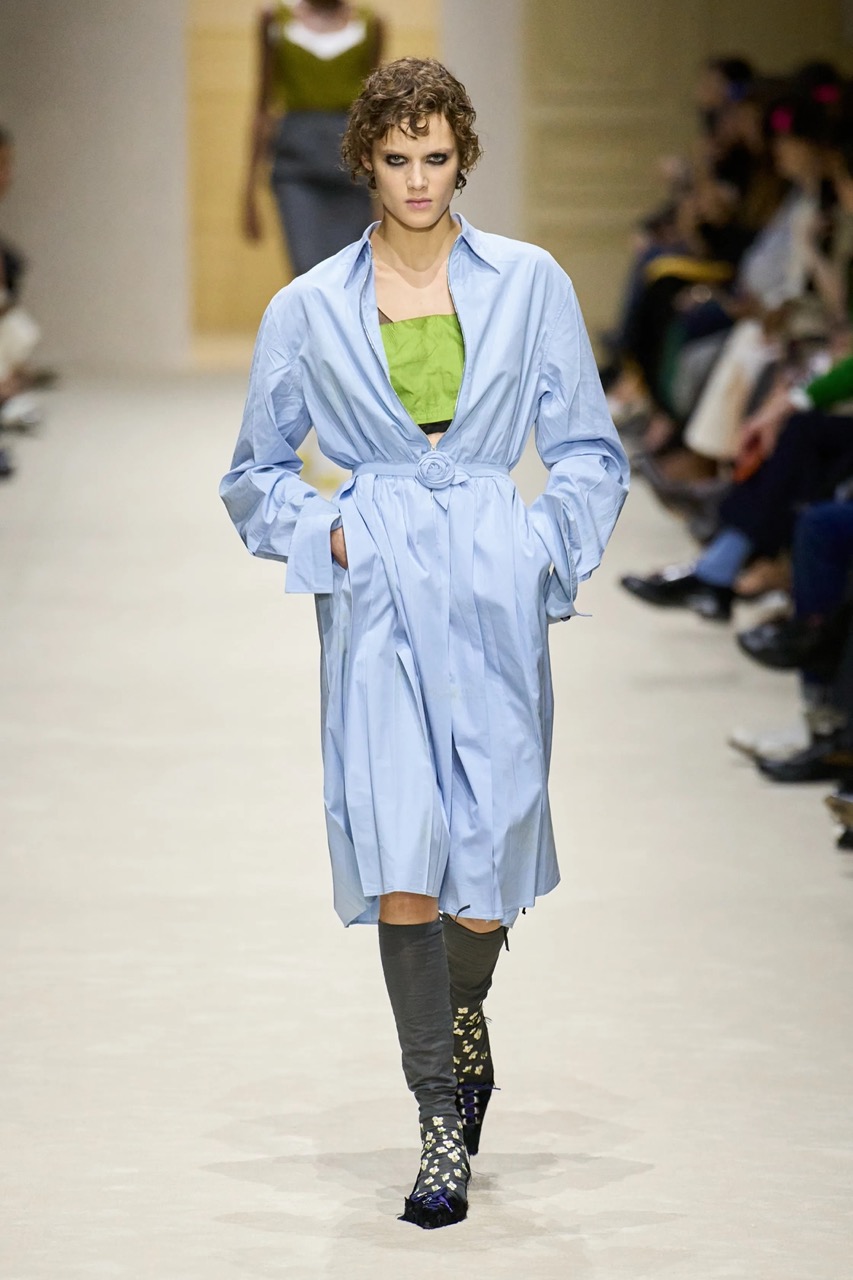
The structure felt almost mathematical, yet entirely emotional. The first outfit carried the next within it, unfolding like matryoshka dolls. One garment introduced another, hidden just beneath the surface.
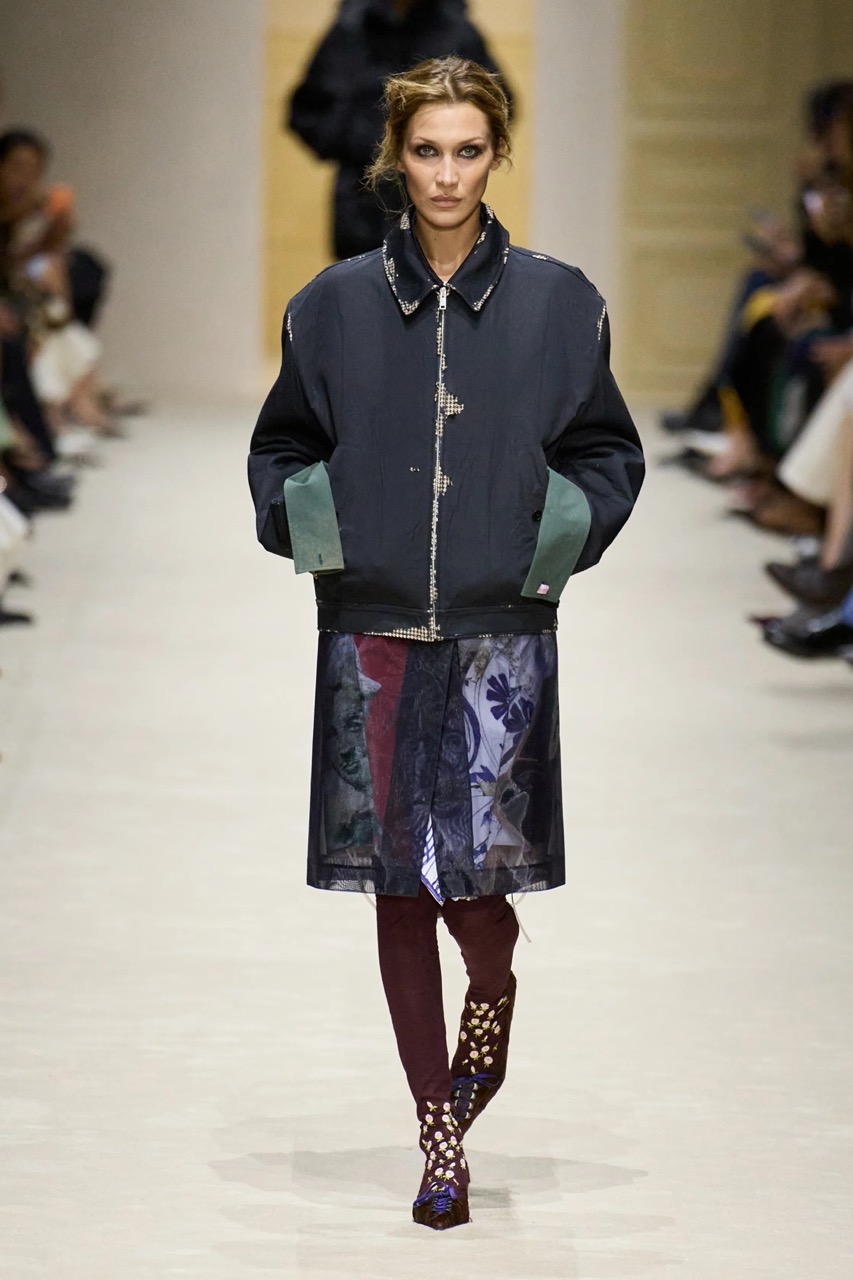
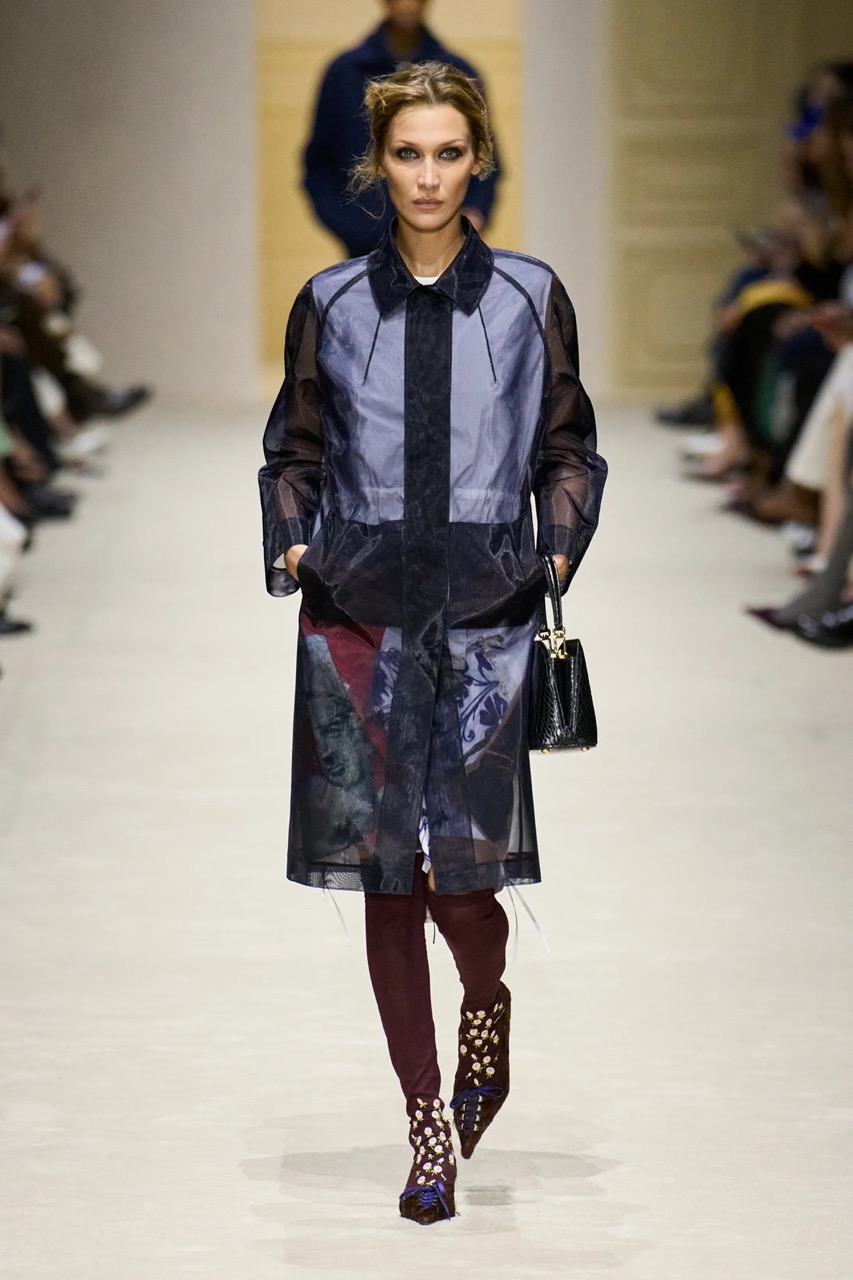
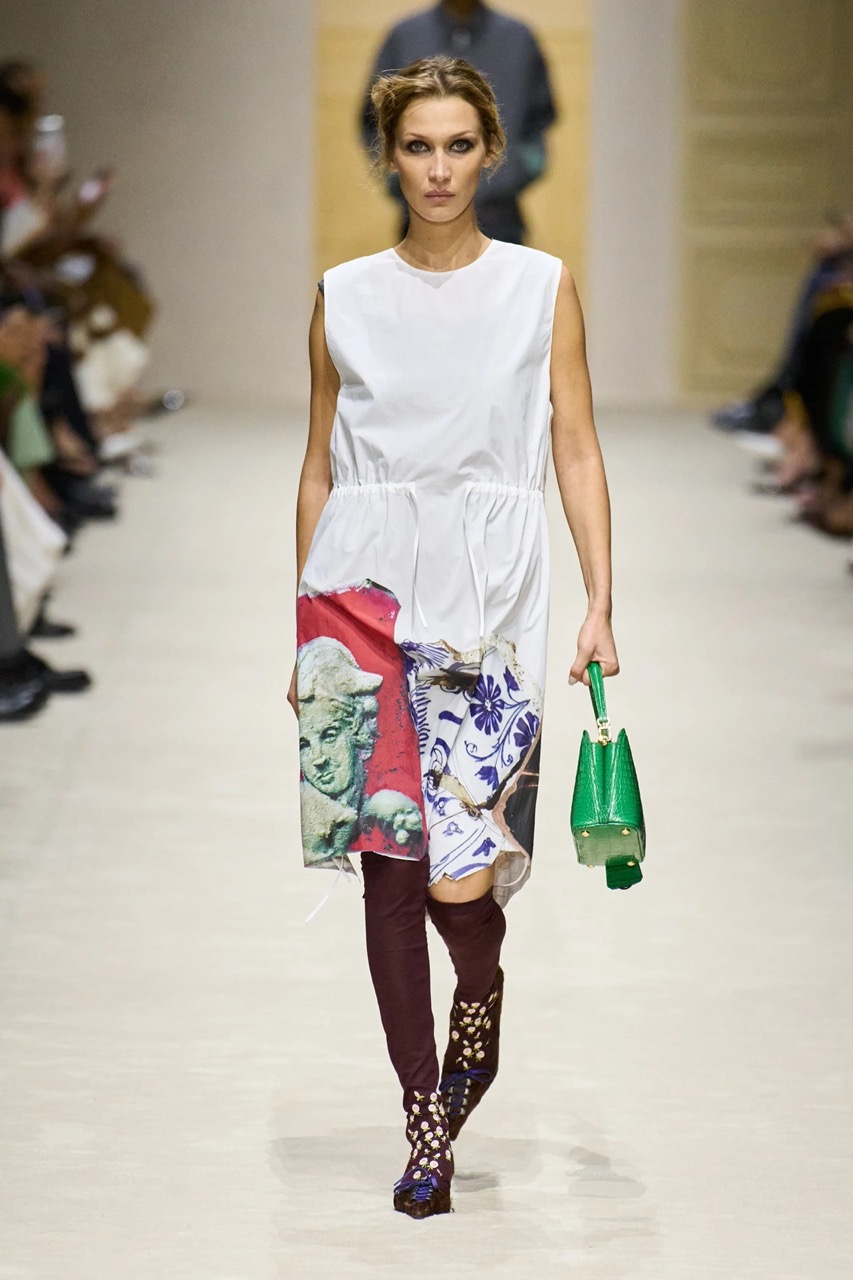
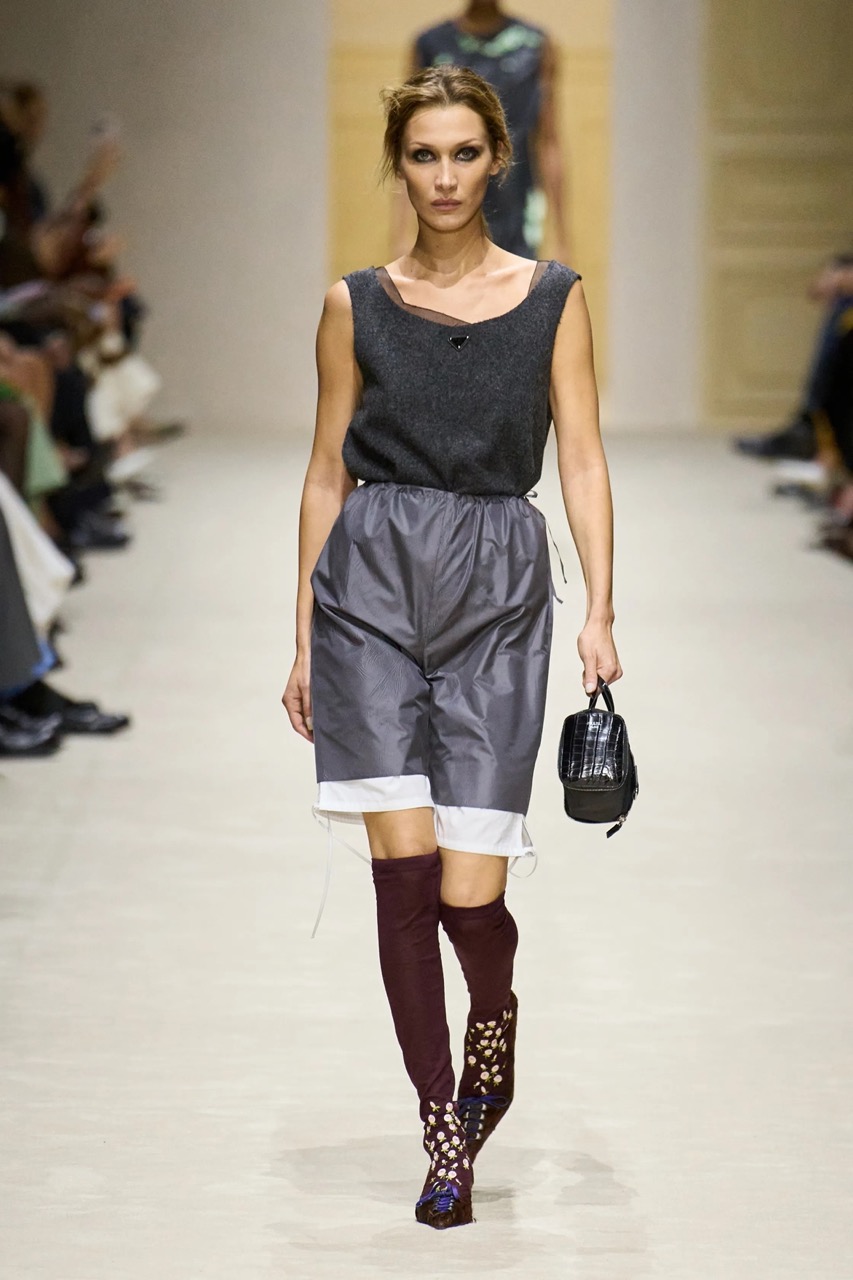
Because fashion is never merely the clothes on their own. It is composition. The flirtation between pieces on the body. The order. The removal. The hierarchy, or the refusal of one. The way a silhouette shifts when something disappears. Prada didn’t just show clothes. They showed process.
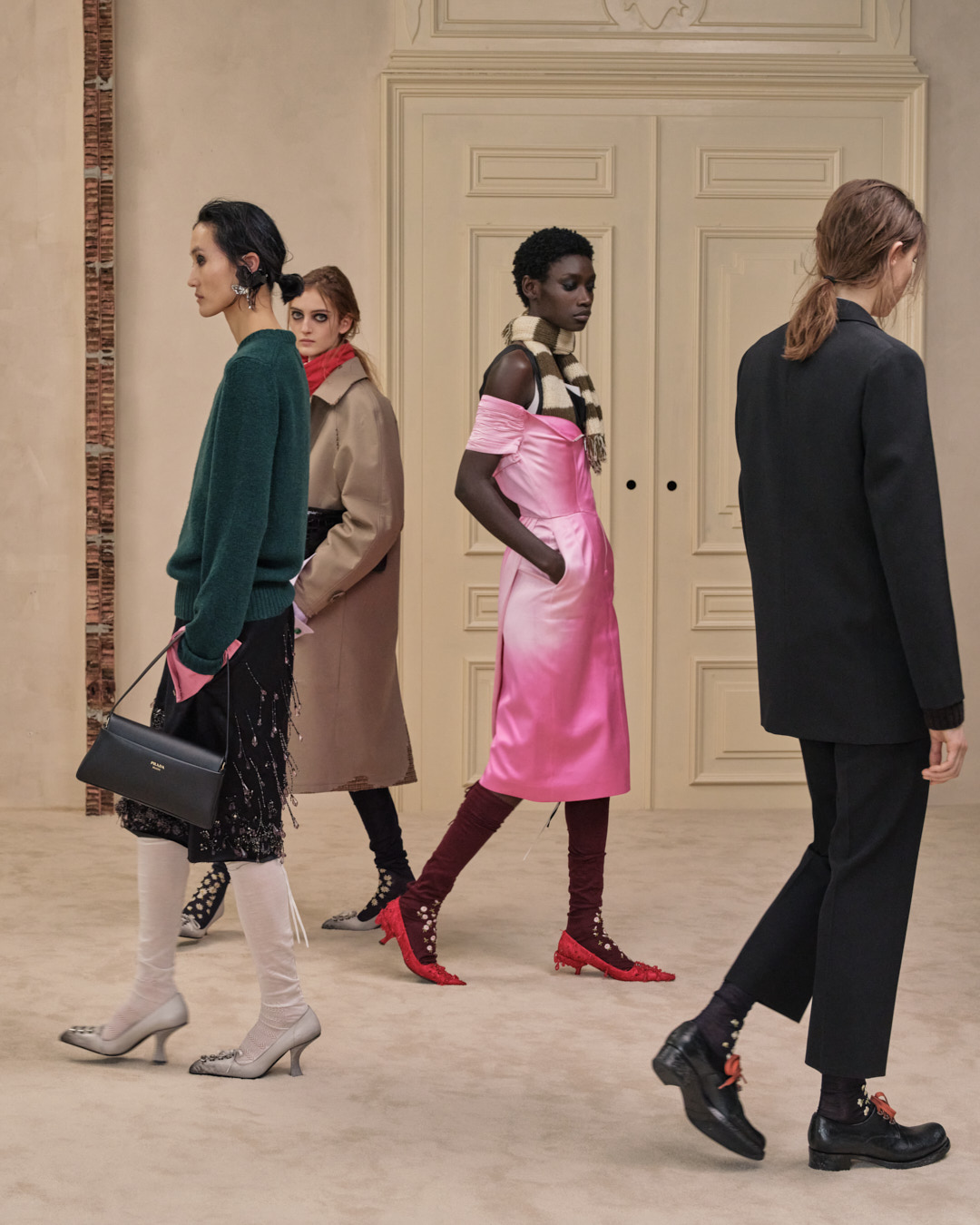
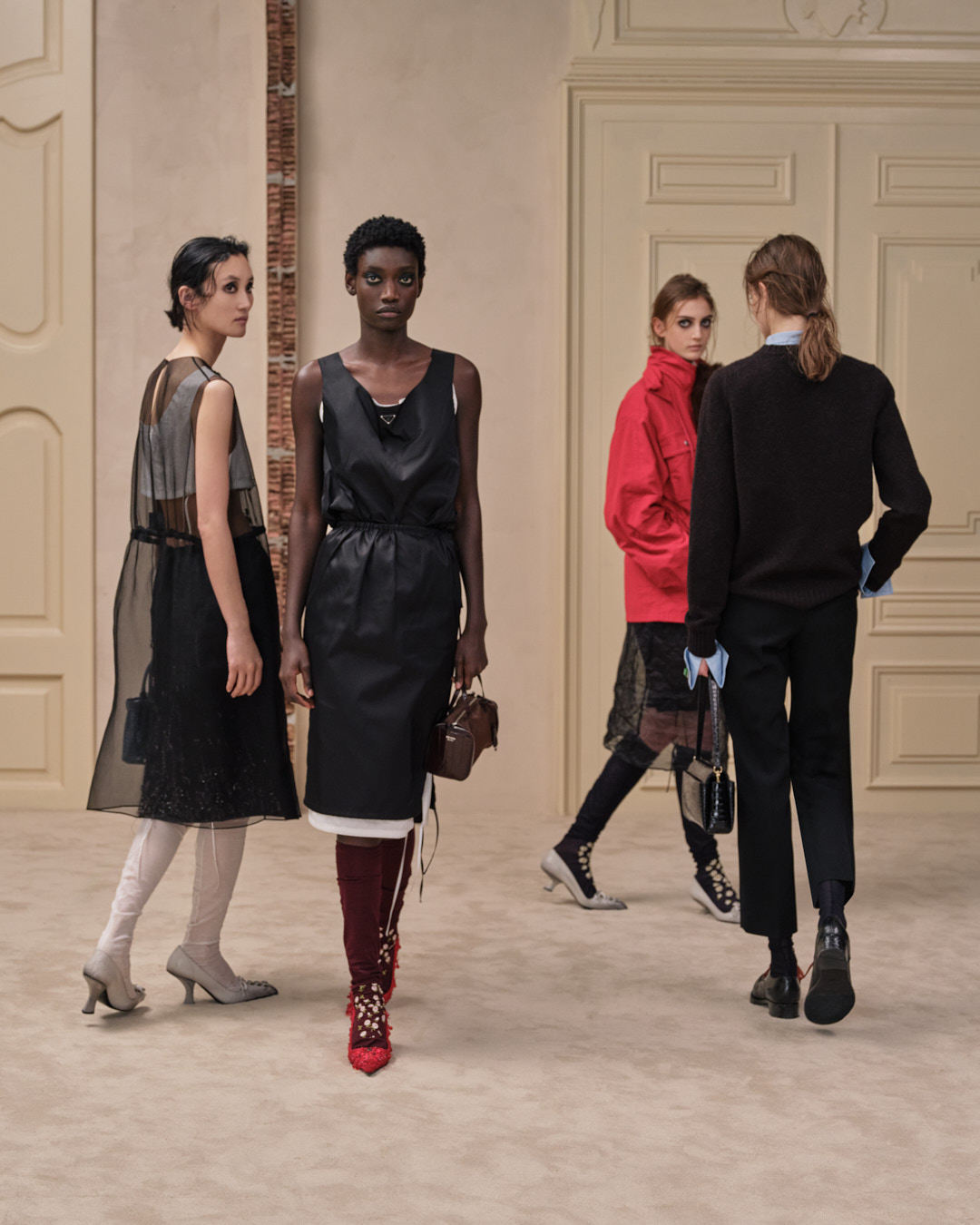
Initial looks revealed the latter ones not because of a lack of ideas, but because of a deliberate position on what fashion can be today. Not endless consumption. Not the constant cycle of buying something new. But recomposition. The same garments, rearranged. Layer by layer.
In a season often driven by spectacle and novelty, Prada chose restraint. They reminded us that innovation does not always require addition. Sometimes, it requires subtraction.
Never underestimate the art of layering.
Prada proved just that.