Fjord, The Film That Defined Cannes 2026

At the 79th edition of the Cannes Film Festival, one film rose above the noise, controversy, and fierce competition to become the emotional and political center of the festival: Fjord. Directed by Cristian Mungiu and starring Sebastian Stan alongside Renate Reinsve, the Norway-set drama arrived at Cannes with strong anticipation. By the end of the festival, it had transformed into a Palme d’Or-winning sensation, a film critics, audiences, and distributors could not stop discussing.
Fjord centers on a Romanian-Norwegian family living in a remote Norwegian village whose lives unravel after child protection authorities investigate allegations of abuse. Rather than presenting a simple moral conflict, Mungiu crafts a tense, ambiguous portrait of faith, migration, cultural suspicion, and institutional power. The film’s power lies in its refusal to offer easy answers. Critics noted how the story examines the collision between conservative Christianity and liberal Scandinavian society, forcing viewers to question assumptions about tolerance, parenting, and state intervention. That complexity became one of the main reasons the film dominated Cannes conversations. While some reviewers found the film emotionally elusive, many praised its moral tension and psychological intensity.

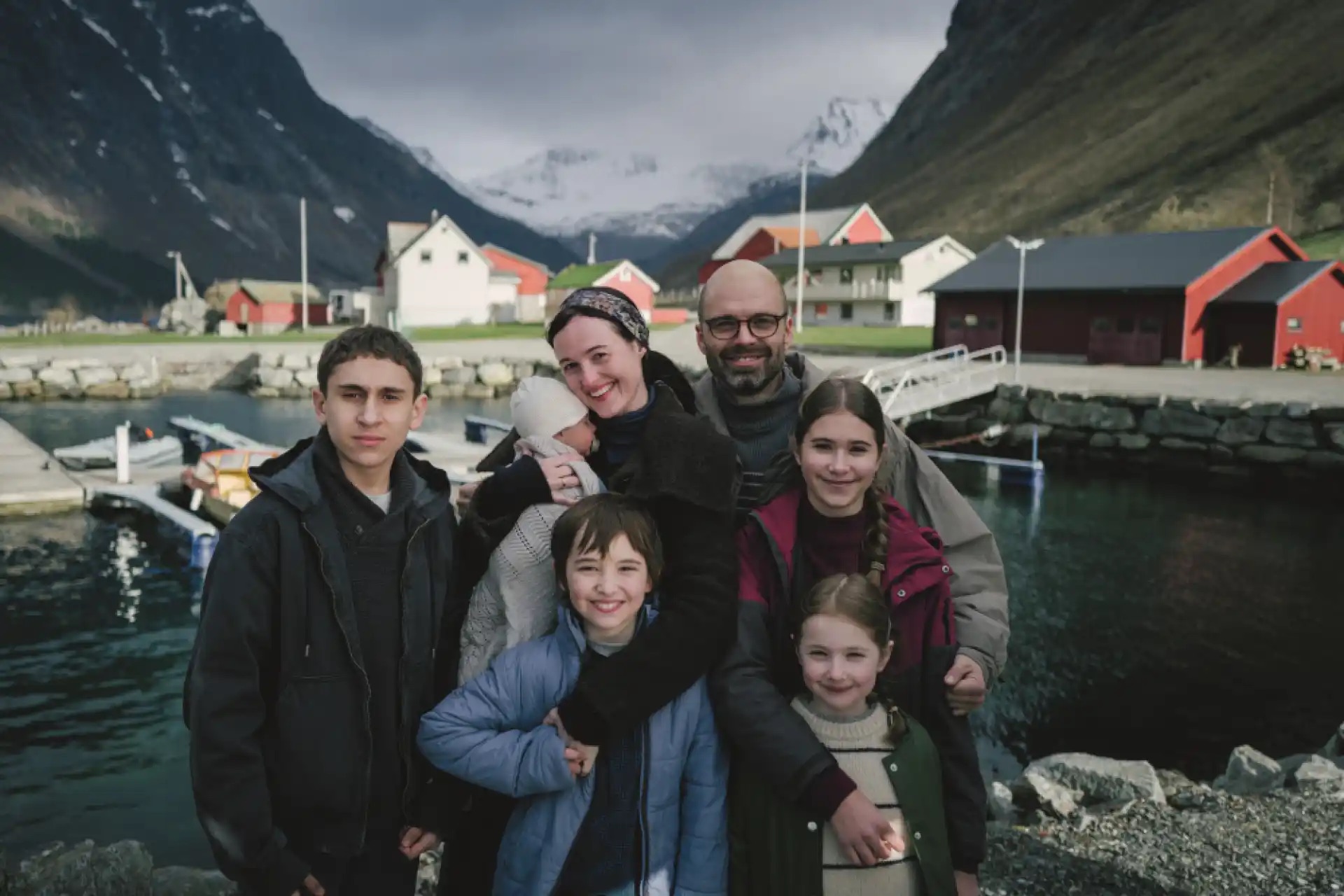
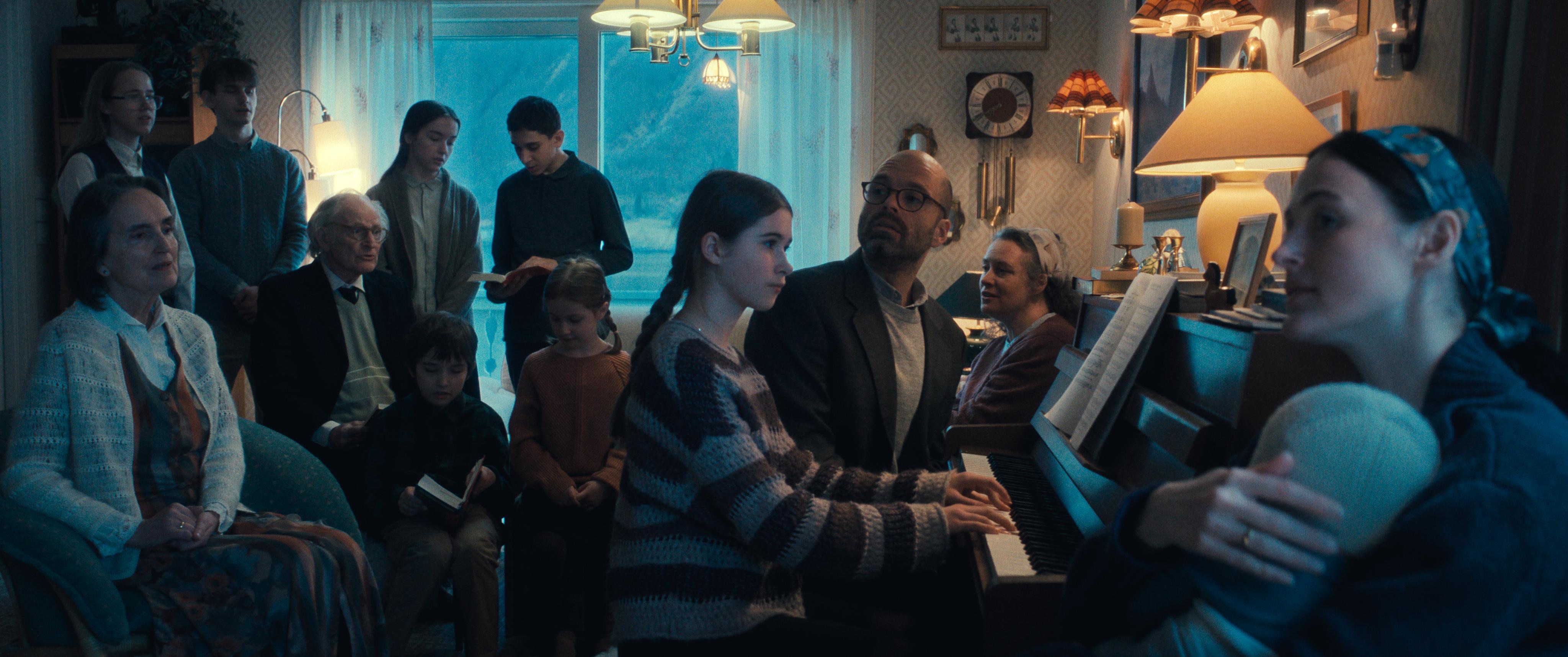
The turning point came during the film’s Cannes premiere, where Fjord reportedly received a 10-minute standing ovation. Both Stan and Reinsve were visibly emotional as audiences applauded the film’s devastating emotional impact. In a festival year filled with politically charged films, Fjord stood apart because it captured contemporary anxieties without turning into a lecture. Its snowy Norwegian landscapes and austere visual style contrasted sharply with the emotional volatility simmering underneath. Critics repeatedly pointed to Mungiu’s control of atmosphere and tension as masterful.
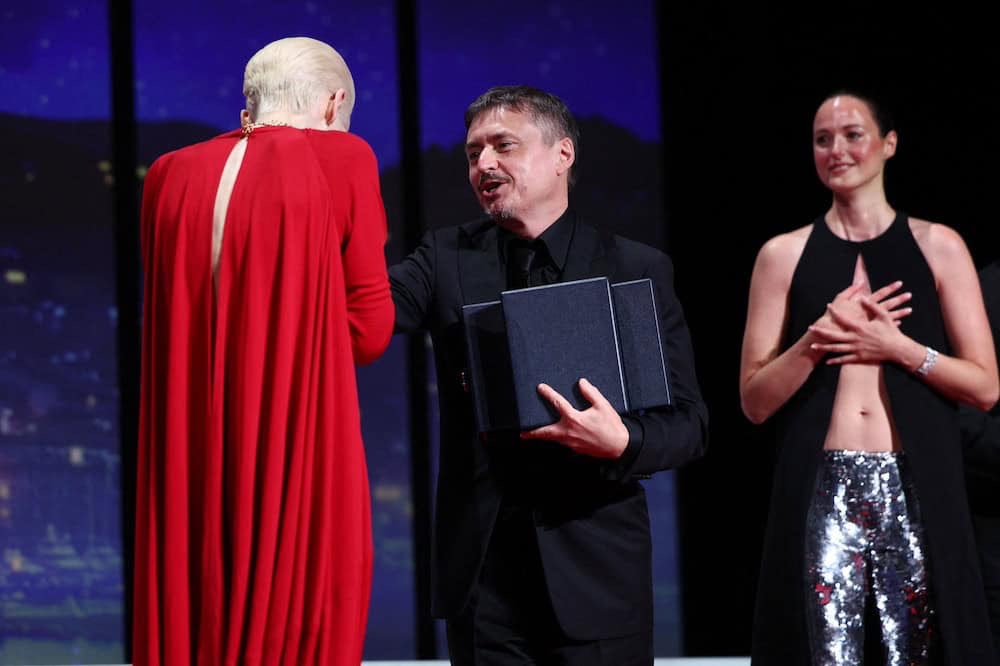
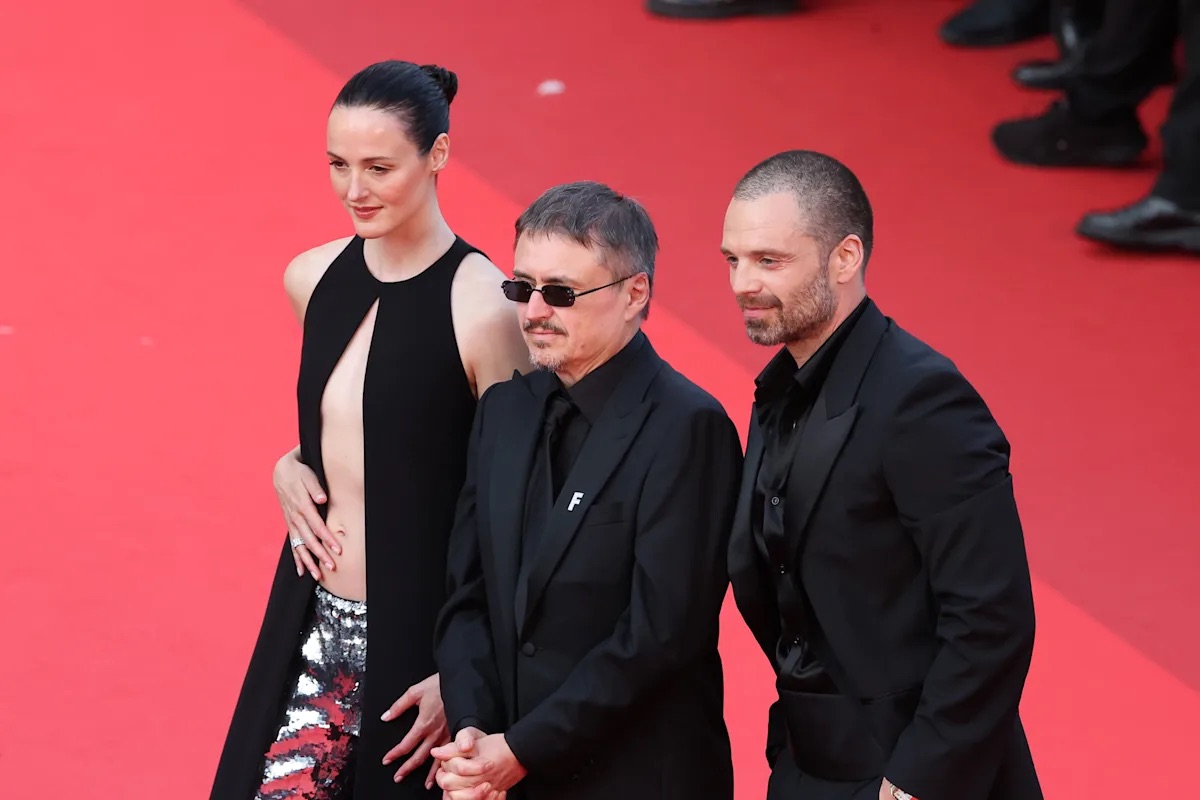
When the jury — led by Park Chan-wook — awarded Fjord the Palme d’Or, the decision felt both surprising and inevitable. For Mungiu, it marked his second Palme d’Or victory after 4 Months, 3 Weeks and 2 Days, placing him among the rare directors to win Cannes’ top prize twice.
In his acceptance speech, Mungiu reportedly emphasized the importance of empathy, warning that societies often celebrate ideas like inclusion and tolerance without fully practicing them.
What made Fjord such a Cannes phenomenon was not just its awards success, but its timing. Across Europe and beyond, debates surrounding immigration, religion, identity, and institutional authority continue to intensify. Mungiu turned those tensions into deeply personal drama. The film refuses ideological certainty. It neither fully condemns nor absolves its central family or the authorities investigating them. In a year crowded with prestige titles, Fjord emerged not simply as the festival winner, but as the film that defined Cannes 2026 itself.